Training Video Games
Develop your artistic and technical skills with a comprehensive 4-year course, combining theoretical and practical learning to make you an expert in video game design and production.
Develop your artistic and technical skills with a comprehensive 4-year course, combining theoretical and practical learning to make you an expert in video game design and production.

Location
Bordeaux, Montpellier, Nantes, Rennes, Toulouse

Duration
4 years of training

Target audience
People in initial training with student status

Prerequisites and admission requirements
Entry requirements: High school diploma or equivalent Level 4 qualification

Professional Certification
Title RNCP38806 – Video Game Designer – Game Designer, Level 6 (equivalent to a 3-4 year university degree), registered in the National Directory of Professional Certifications, by decision of 03/27/2024.
Certifying bodies: ETPA-Creative Schools, Creative Schools Montpellier, Creative Schools Rennes, Creative Schools Bordeaux.

Rhythm
Full-time on-site
1 to 2 internships recommended at the end of the 3rd and/or 4th year, lasting at least 8 weeks

Fees
Join the Video Game Professional Cycle to learn about the entire AAA video game production chain and specialise in the artistic (Game Art) or technical (Gameplay Programming) professions.
Our teaching method gradually builds on what you’ve learned and puts it to the test in ambitious projects that push back the boundaries of your artistic identity and make it unique.
You will design an entire final-year video game, in the same conditions as a real development studio.
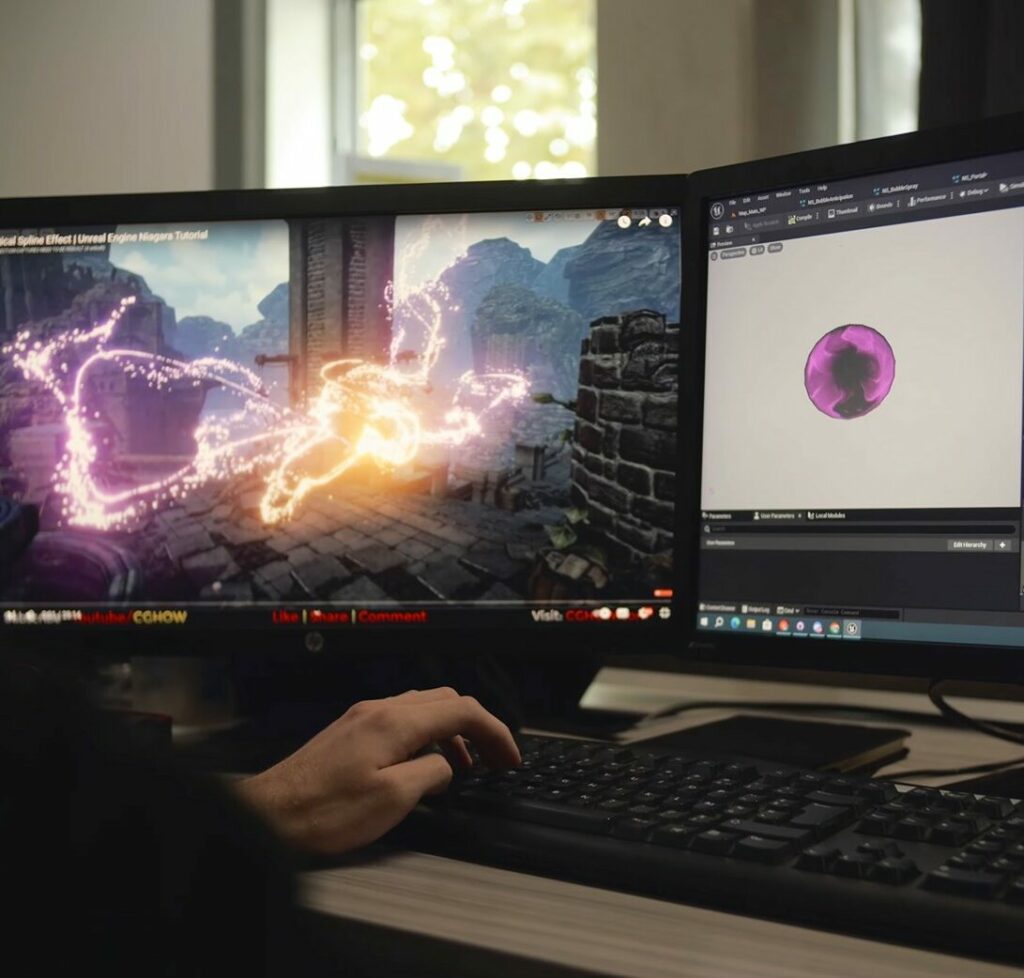
This video game training program is for those who dream of bringing imaginary worlds to life and who enjoy designing captivating and immersive experiences. You are curious, inventive, and driven by a desire to transform ideas into interactive reality.
If you enjoy juggling artistic creativity and technical thinking, and know how to collaborate and rally others around ambitious projects, this program is for you.
You will develop the skills and expertise needed to build games that leave a lasting impression and captivate players.
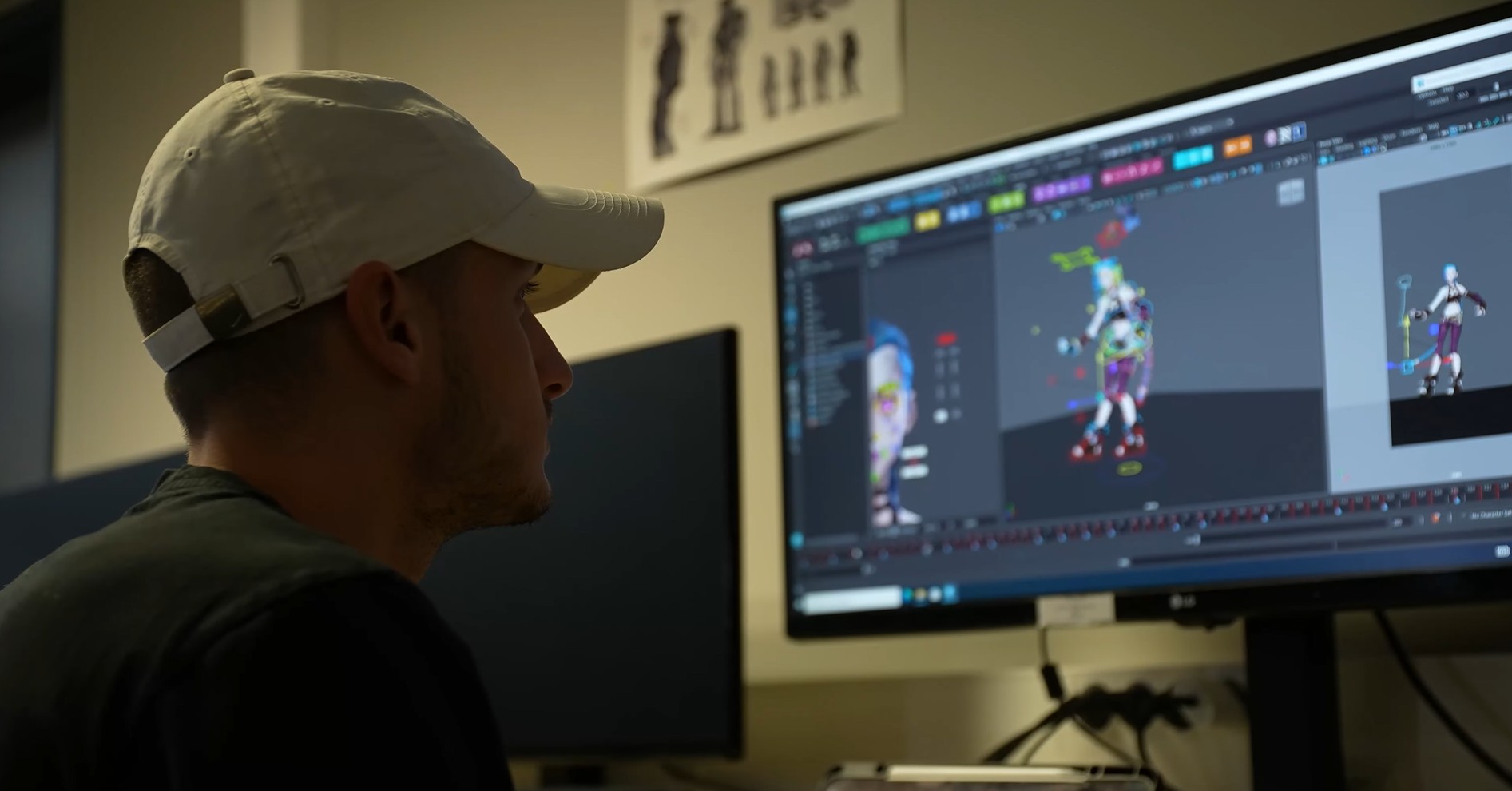
Acquire versatility and expertise across the entire production pipeline:
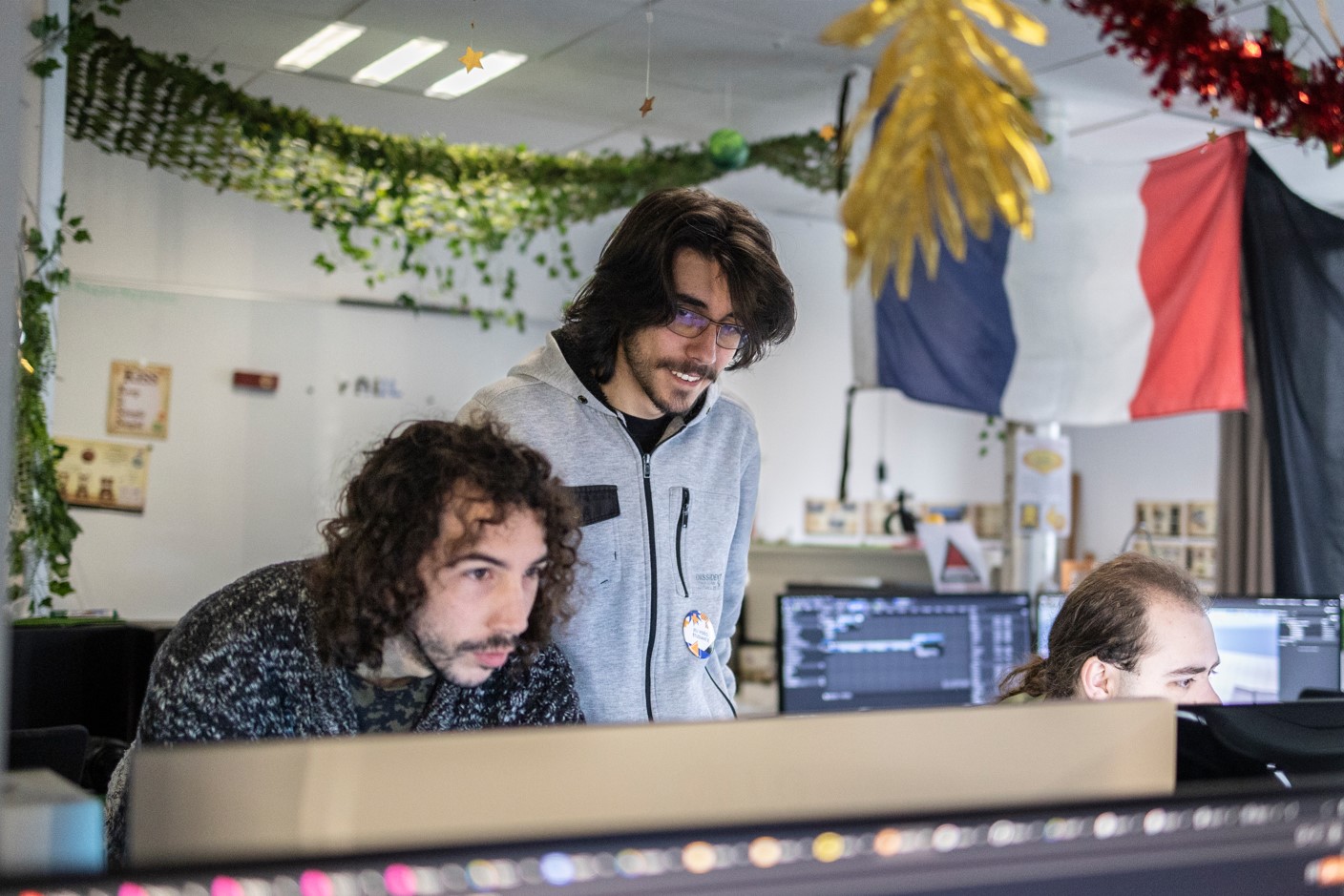
The program alternates between theoretical courses, workshops, and masterclasses. This diversity, combined with project-based teaching, promotes enhanced learning. The team, made up of professionals, supports students on a coherent and progressive path, monitoring their projects throughout the program.
The equipment and software provided, which are used intensively during the training, guarantee complete mastery of the tools of the industry.

The training program is validated by professional certification RNCP38806 – Video Game Designer – Game Designer, Level 6 (Bac+3/4) registered in the National Directory of Professional Certifications, dated 03/27/2024.
Certifiers: ETPA-Creative Schools, Creative Schools Montpellier, Creative Schools Rennes, Creative Schools Bordeaux.
Professional certification is obtained by validating the following skills, including one option:
Possibility of validating one or more skill sets.
The certification is also accessible through VAE. (Validation of Acquired Experience)
Teaching and assessment methods may be adapted if necessary to accommodate disabilities, in accordance with the RNCP (French National Register of Professional Certifications) standards.
Find out more about Disability and accessibility.
99% success rate* for certification (class of 2025) *Consolidated results from the Creative Schools Network certifiers
98% of candidates taking the exam (class of 2025)
81% Overall employment integration rate* at 6 months (class of 2022) * Inclusion is calculated based on respondents, in accordance with the methodology defined by France Compétences.
60% of job placement* in the targeted profession within 6 months (class of 2022) *Inclusion is calculated based on respondents, in accordance with the methodology defined by France Compétences.
A 4-year course, validated by a Level 6 RNCP qualification (equivalent to Bac+3/4)
Solid analysis through understanding the place of video games in art history and acquiring a documentation approach.
Understanding and presenting a game project in English.
Design 3D characters using anatomical principles and specialized software.
3D animation techniques and principles of character animation (walking, running, jumping, death, acting, etc.). Rigging techniques, facial rigging, animation management, and advanced animation blends.
2D animation techniques and principles of character animation. Animating a 2D interface and using FX to enhance an animation.
Learning a 3D modeling tool to create a complete object, using shaders, etc.
Understanding the mechanics of a game: gameplay loop, narrative elements, 4F, 3C, in order to successfully complete a game design project. Theoretical structures, creative techniques, and analytical tools for video game development.
Know how to implement assets into the game engine to ensure gameplay and artistic quality in staging, lighting, and surfacing.
Developing an innovative and responsible creative approach: Introduction to AI, Game Jam, cultural conferences, introduction to eco-design, meetings with professionals
Develop a reflective approach to your skills (technical, creative, and behavioral). Begin creating portfolios based on the work you have produced during the program.
Develop monitoring and research applied to innovations in the sector (AI, real time, multiplayer, etc.). Integrate an eco-responsible approach.
Advanced programming in Unreal Engine with learning how to create nodes for visual scripting, etc.
Check out the tuition fees for enrolling in ESMA's Video Game Design program.
For one year
6 680 €
200 € /year
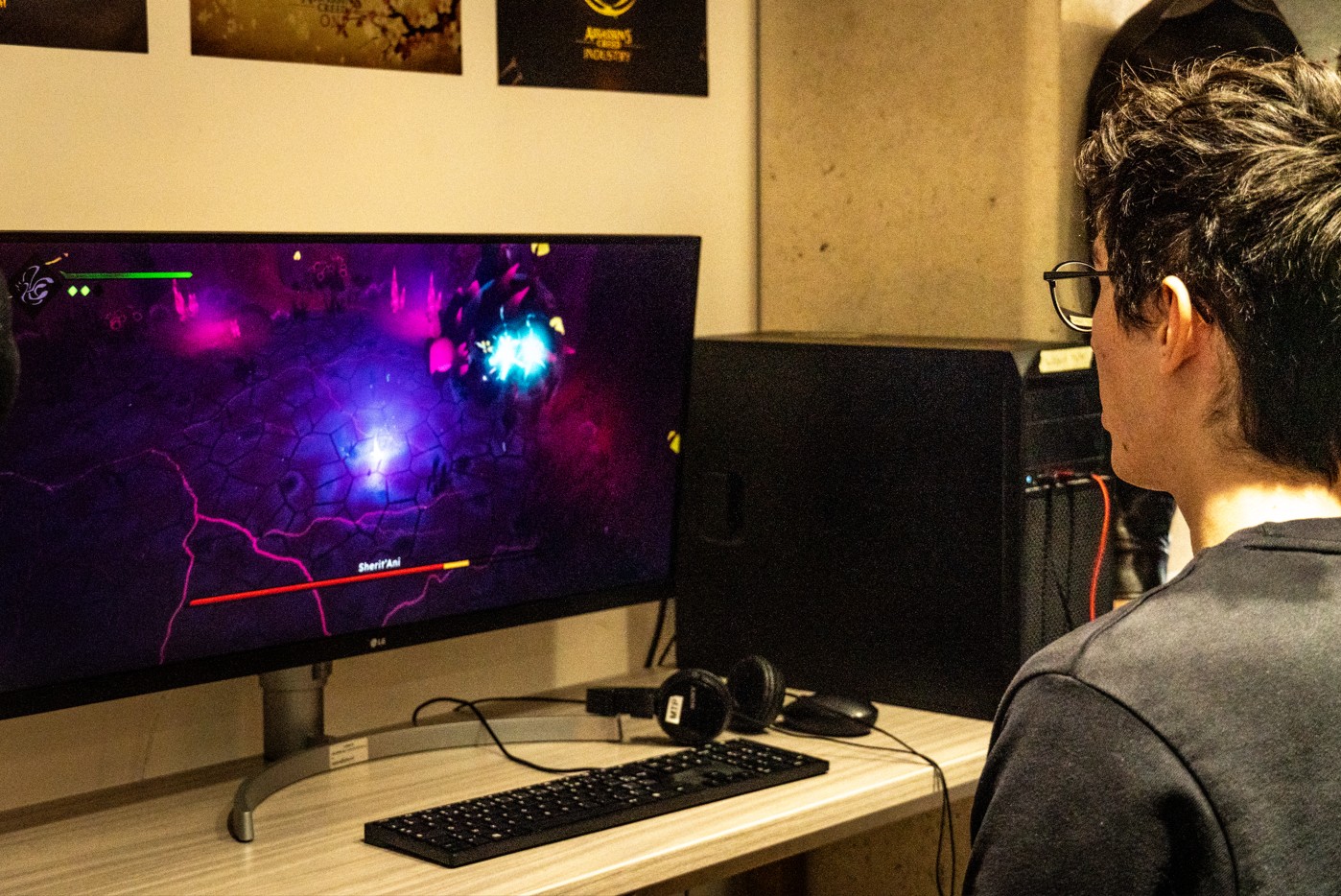
For all video game enthusiasts who love technical challenges and pushing themselves creatively.
The first year of the Video Game professional program can be integrated subject to the following conditions:
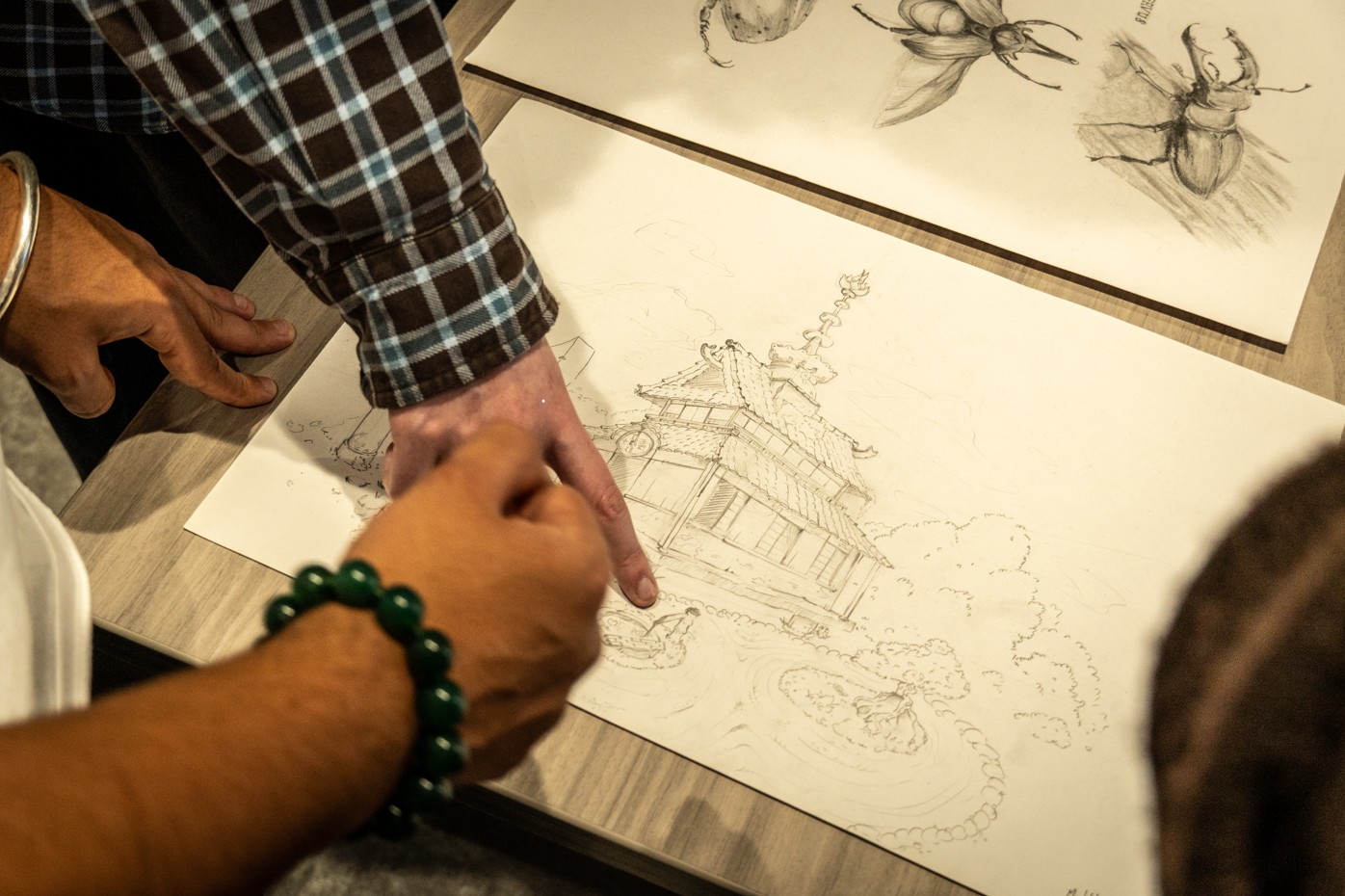
This four-year program offers students a comprehensive overview of careers in video games. It equips them with the skills they need to enter a rapidly growing, dynamic cultural sector that is constantly on the lookout for qualified and passionate talent.
Because they have learned to develop a unique artistic identity, ESMA students are able to enter the video game industry either as part of a team or as freelancers. With their comprehensive training, they become versatile video game professionals, with a focus on technical expertise in Game Art or Gameplay Programming.
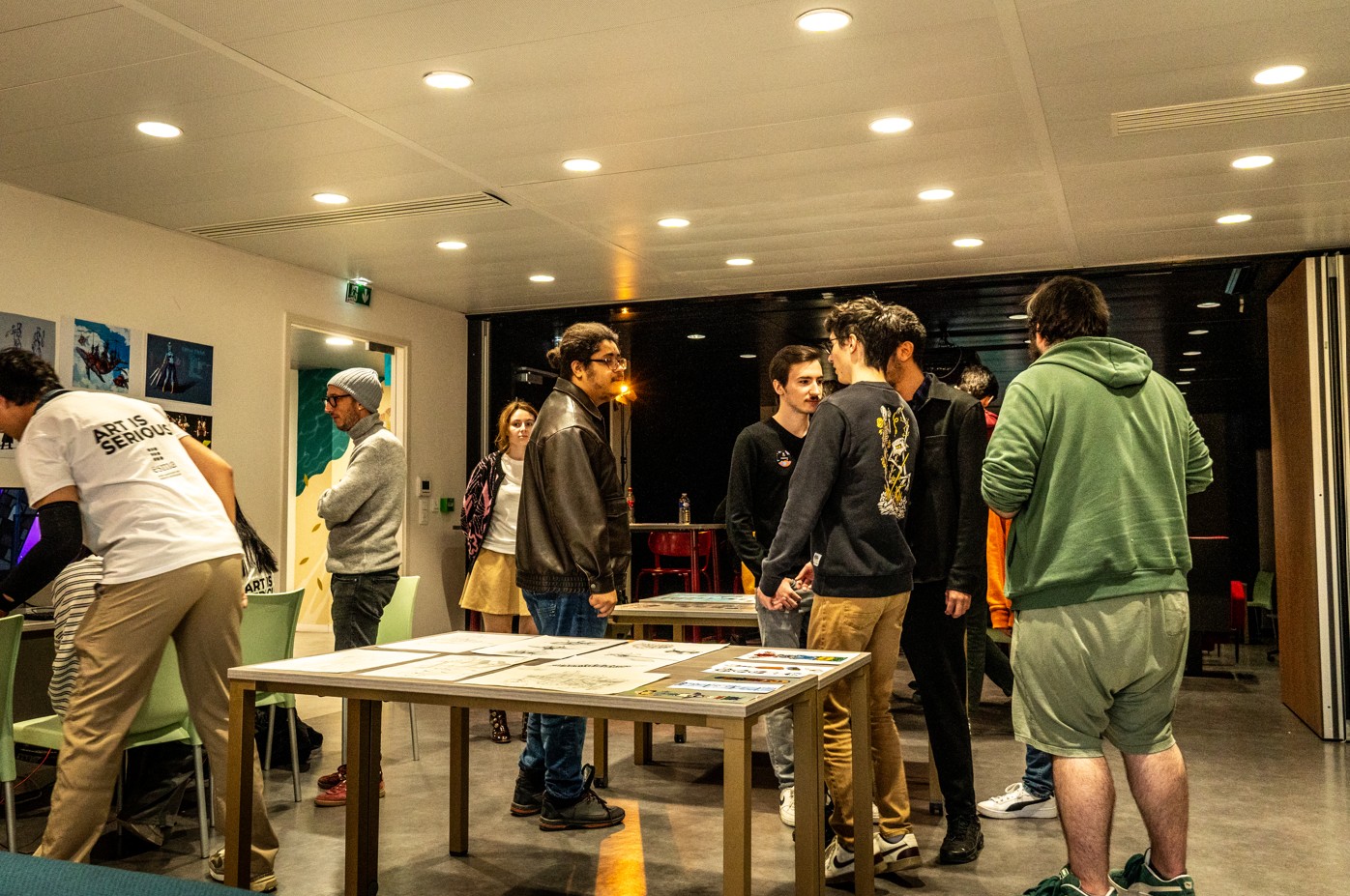
These four years focus on acquiring skills in three main areas: image, technology, and design (design of game mechanics and narrative).
Immersed in the reality of a studio, students develop their individual skills (organization, communication, interpersonal skills, autonomy, etc.) in project and team management.
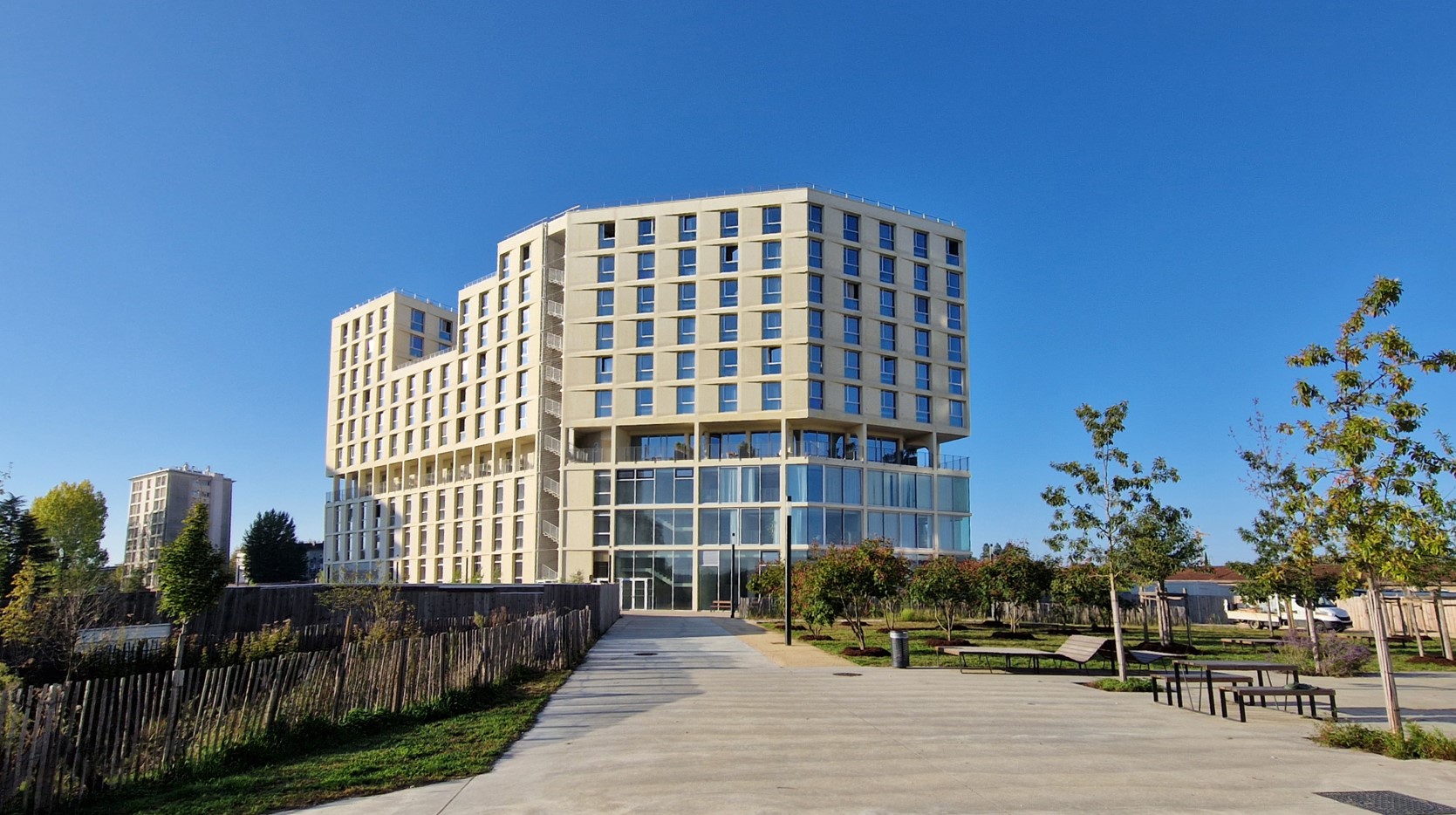



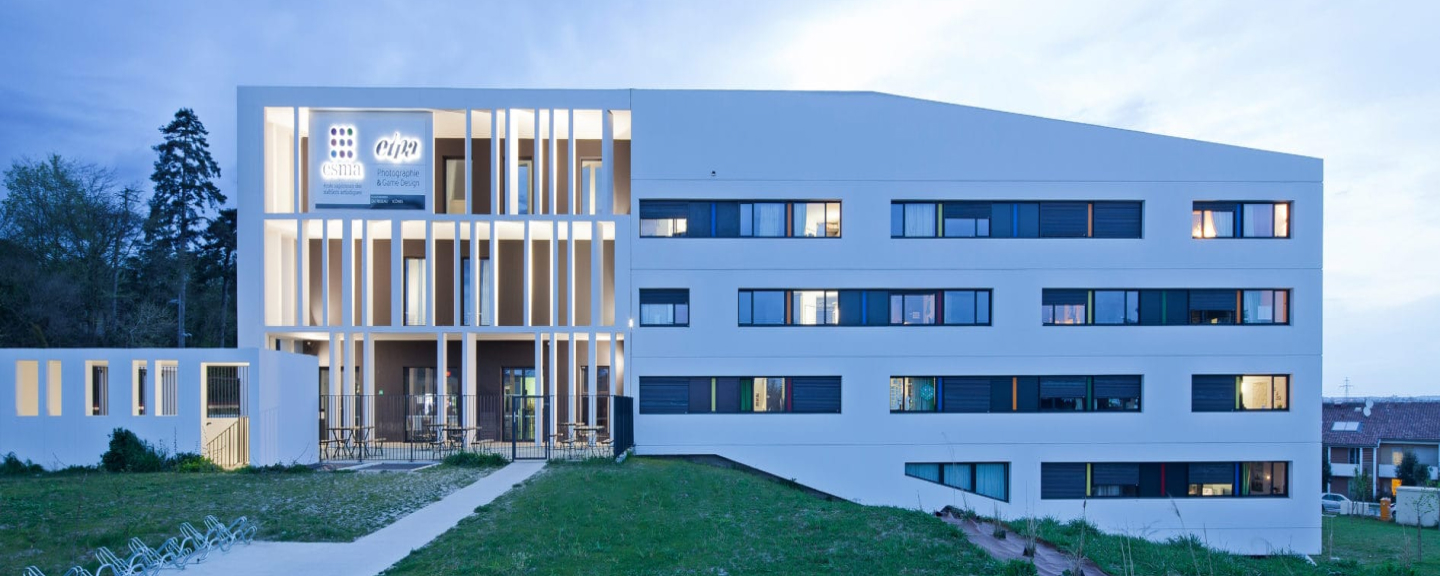

Sectors of activity:
The main sector recruiting certification holders is the video game industry, which can be broken down into three categories:
Other sectors are involved to a lesser extent.
Types of jobs available:
The certification provides access to jobs directly involved in video game design:
With experience, certified professionals can progress to Senior and Lead positions.
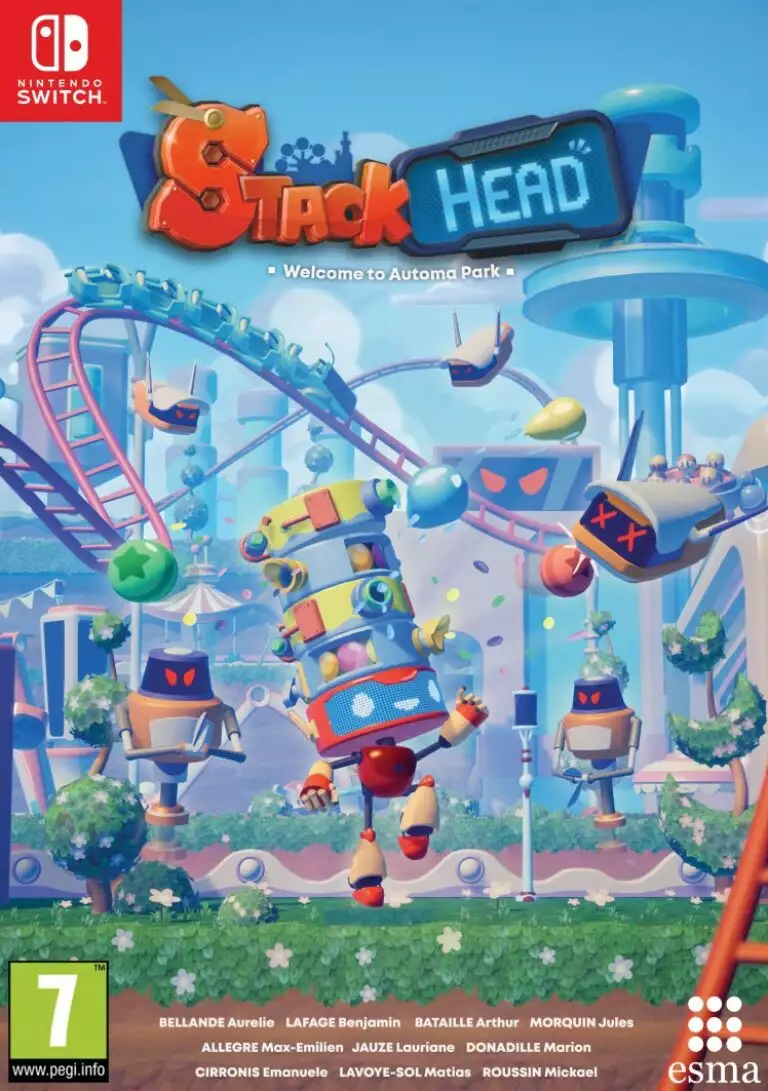
Graduation game: Stackhead
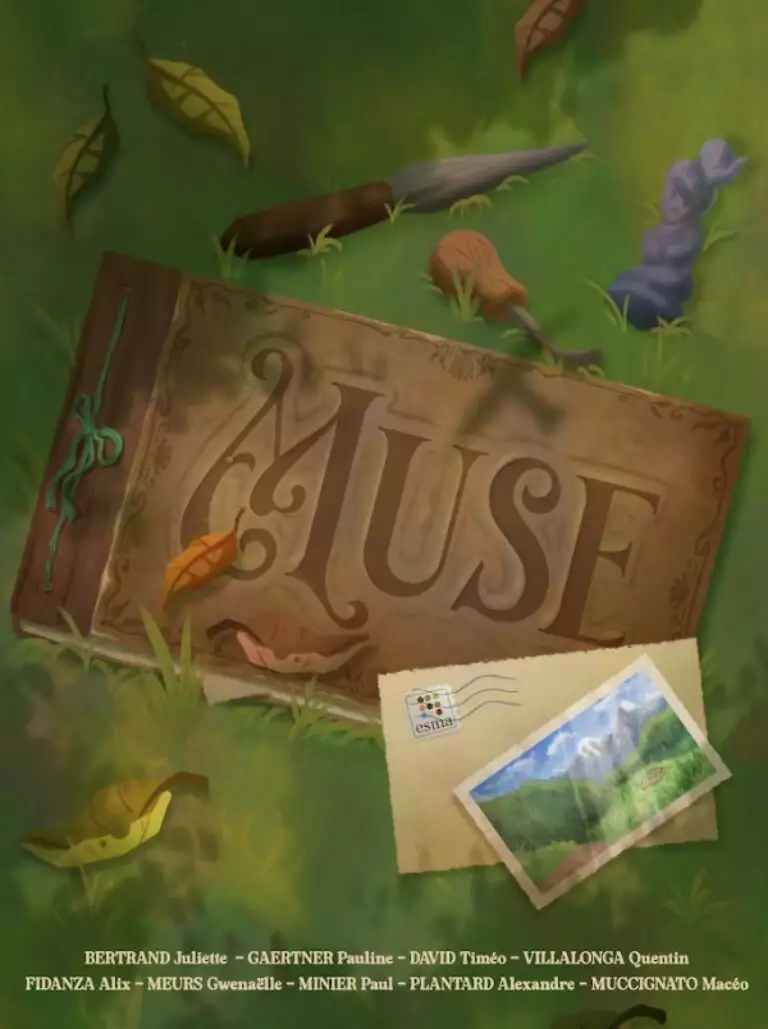
Graduation game: Muse
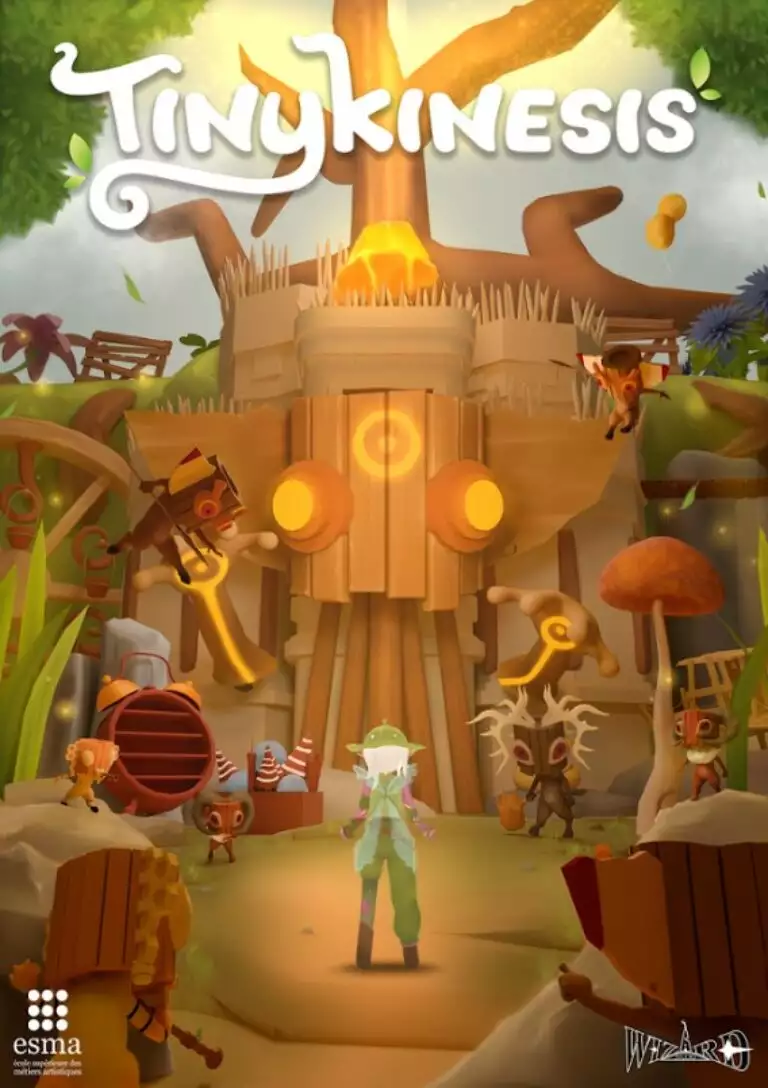
Graduation game: Tiny Kinesis
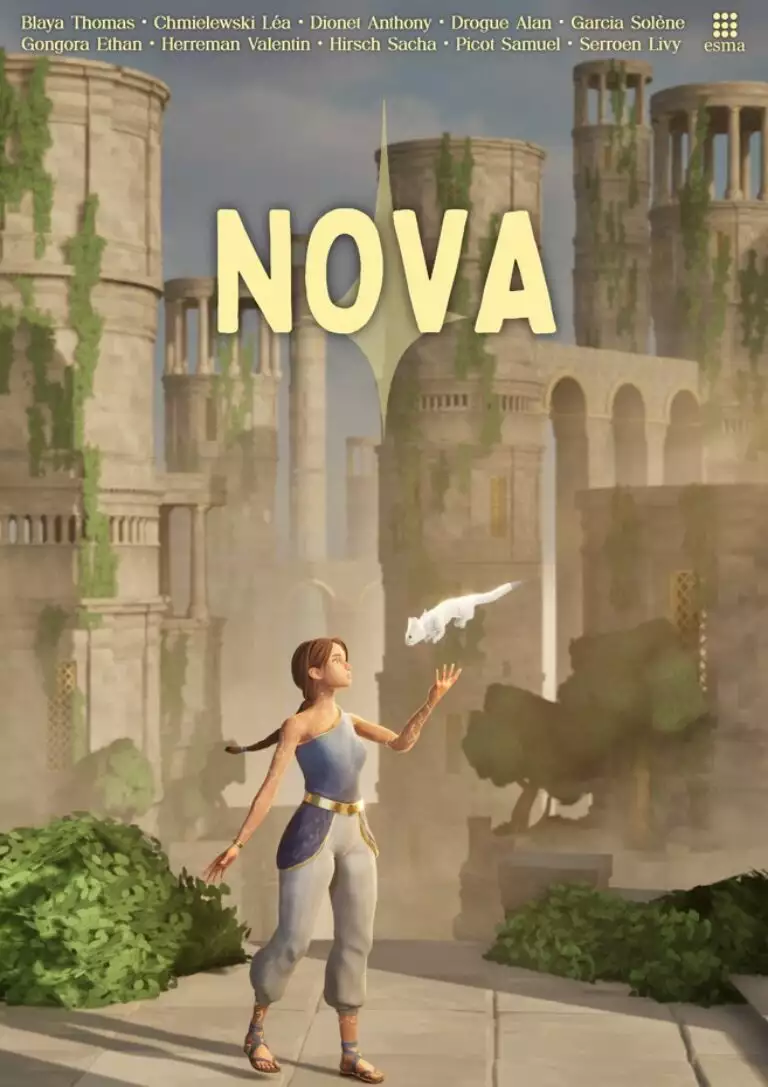
Graduation game: Nova
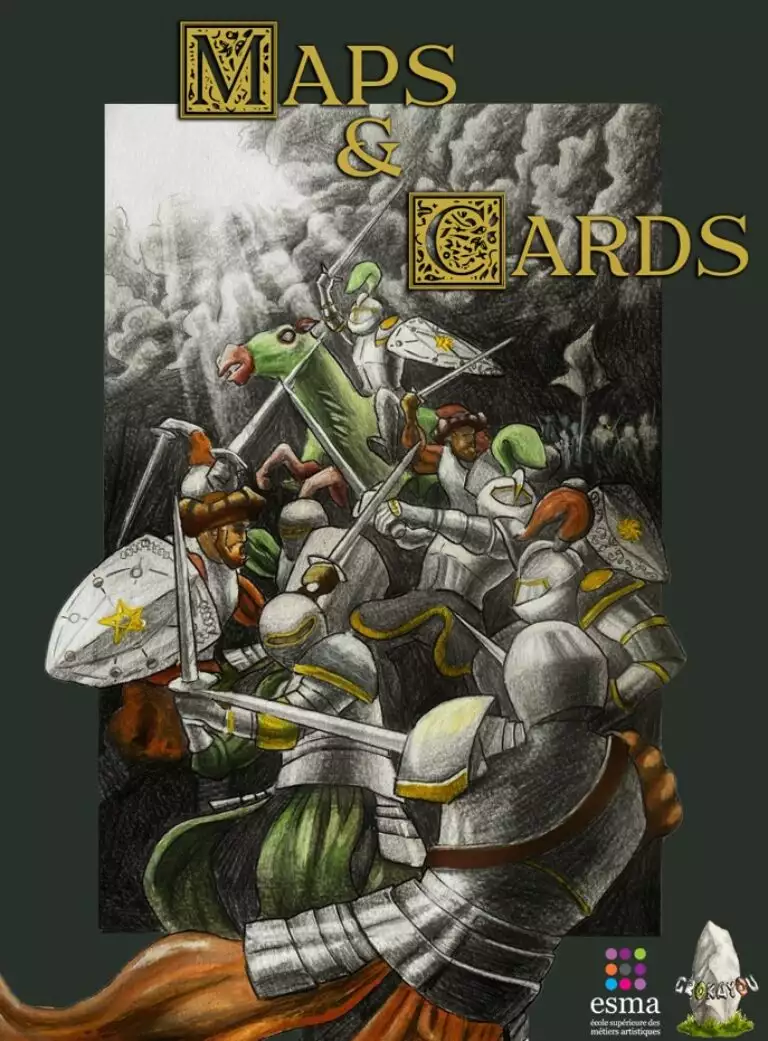
Graduation game: Maps & Cards
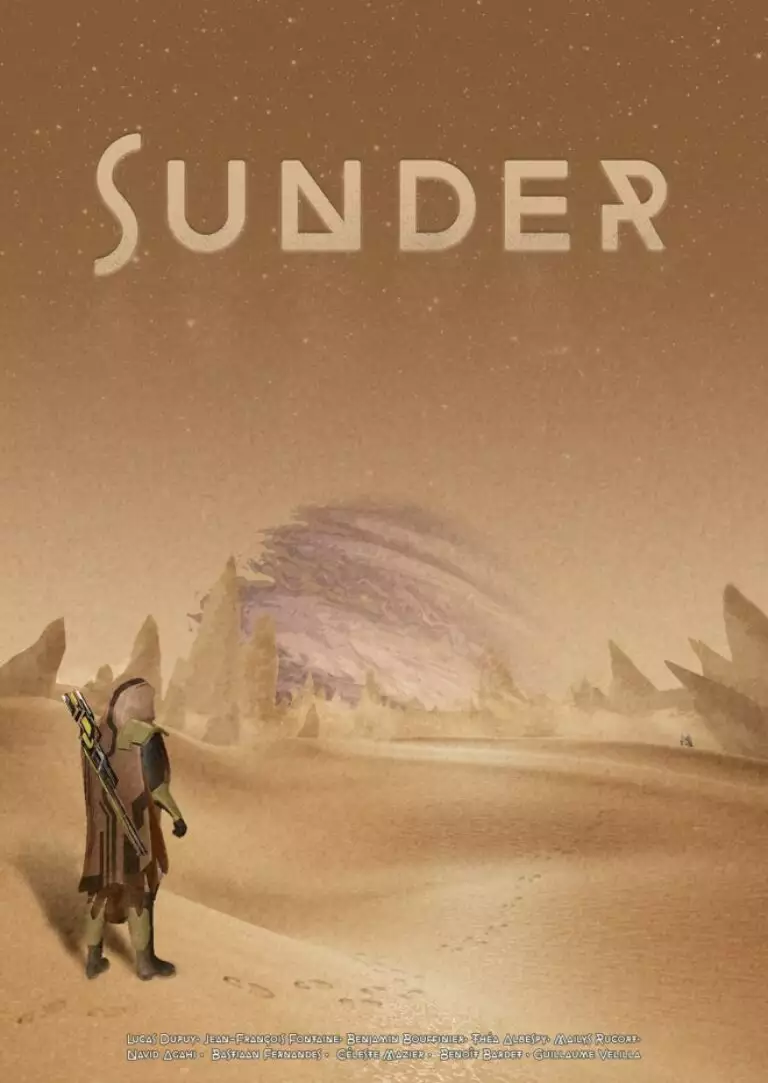
Graduation game: Sunder
Graduation game: Un'clock
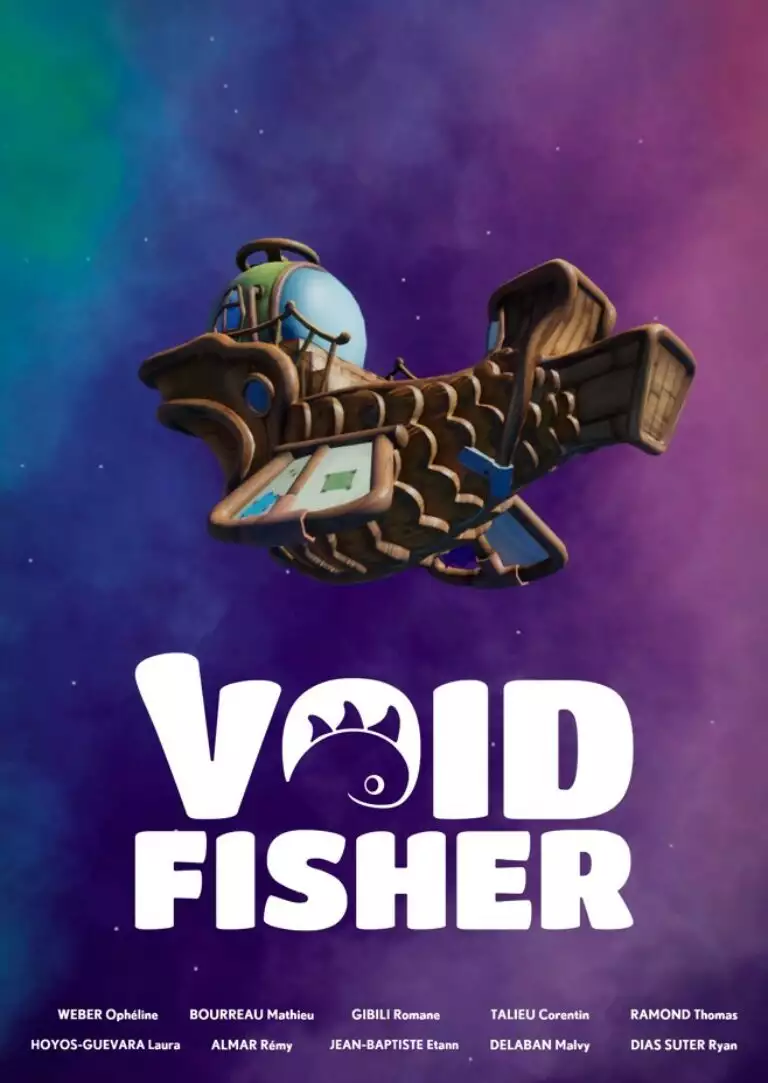
Graduation game: Void Fisher
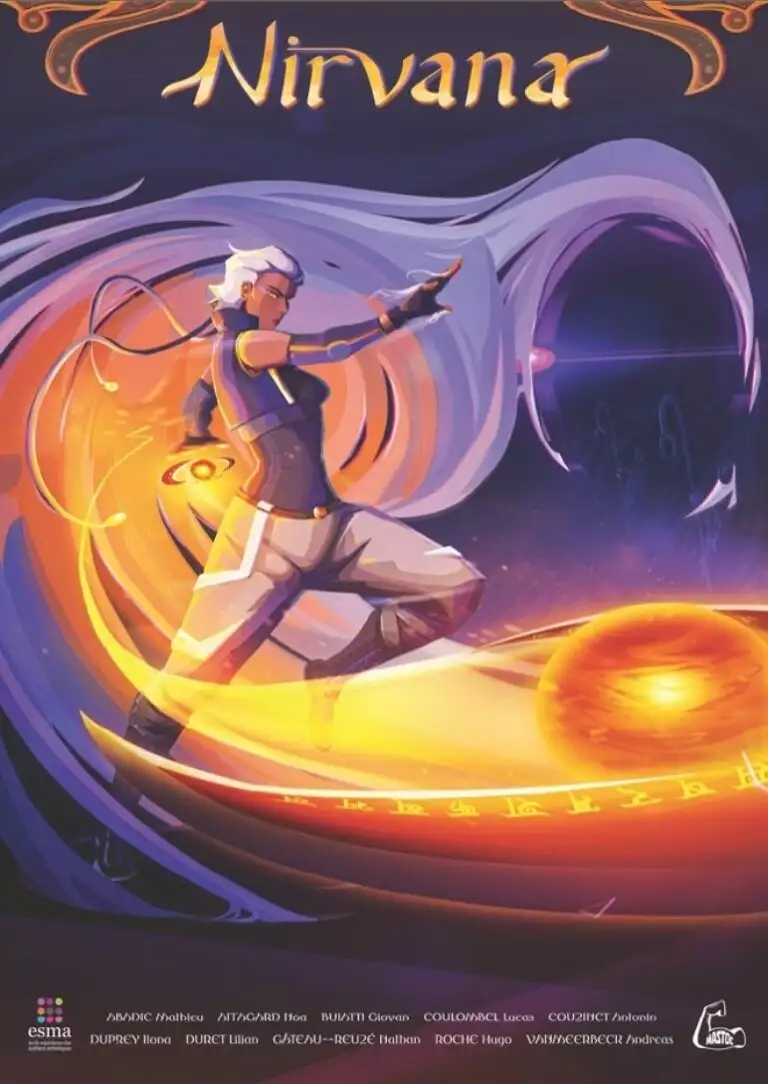
Graduation game: Nirvana
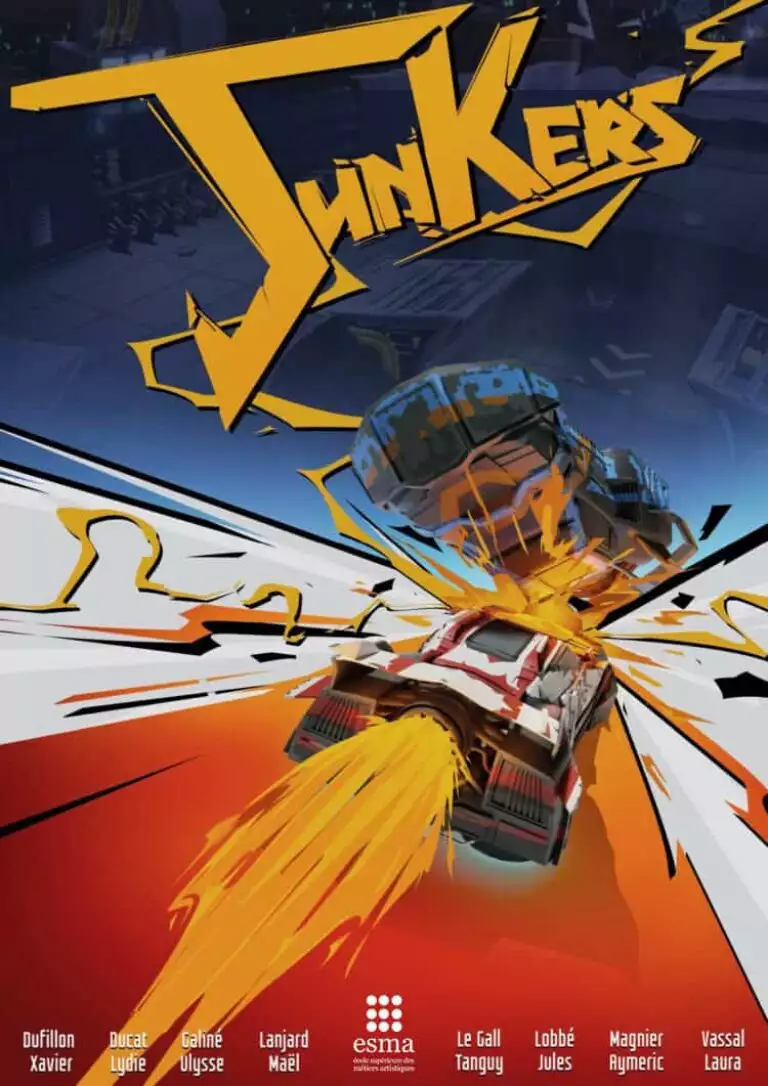
Graduation game: Junkers
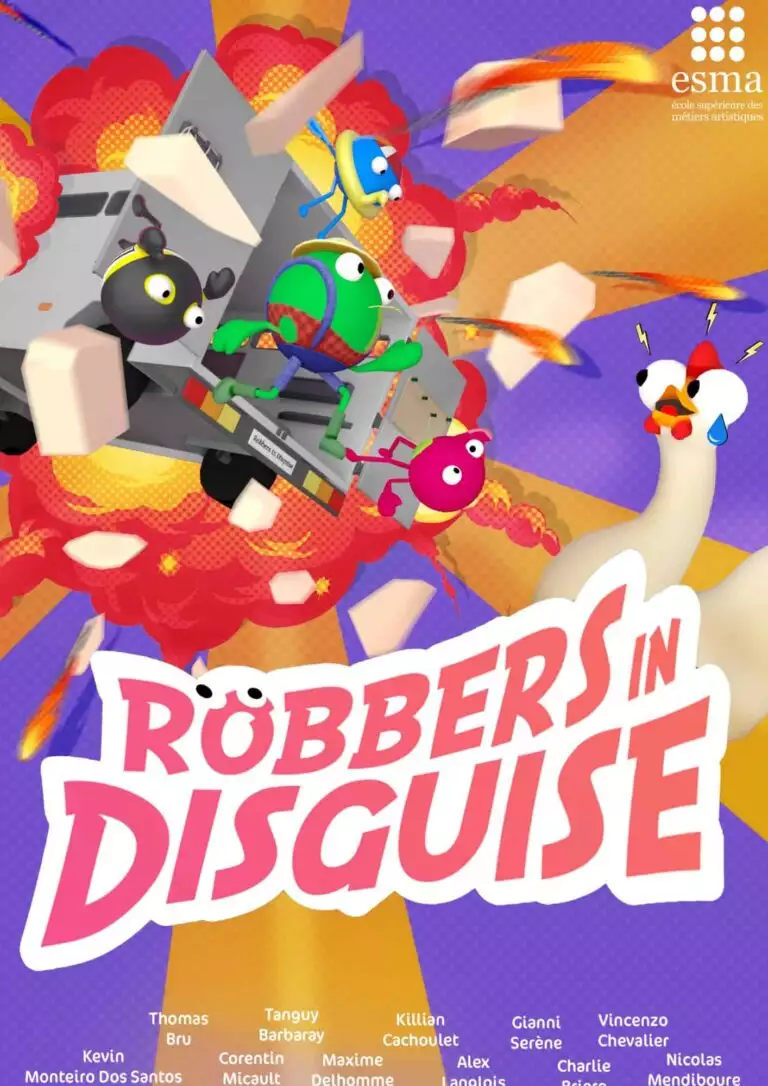
Graduation game: Robbers in disguise
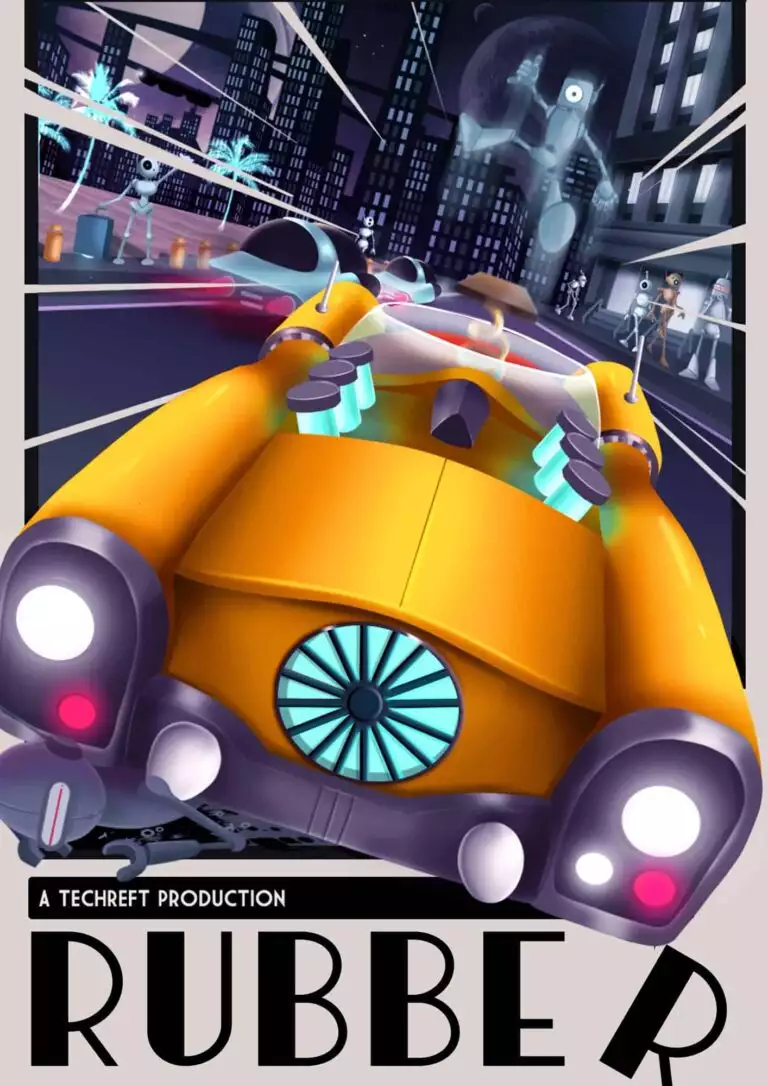
Graduation game: Rubber
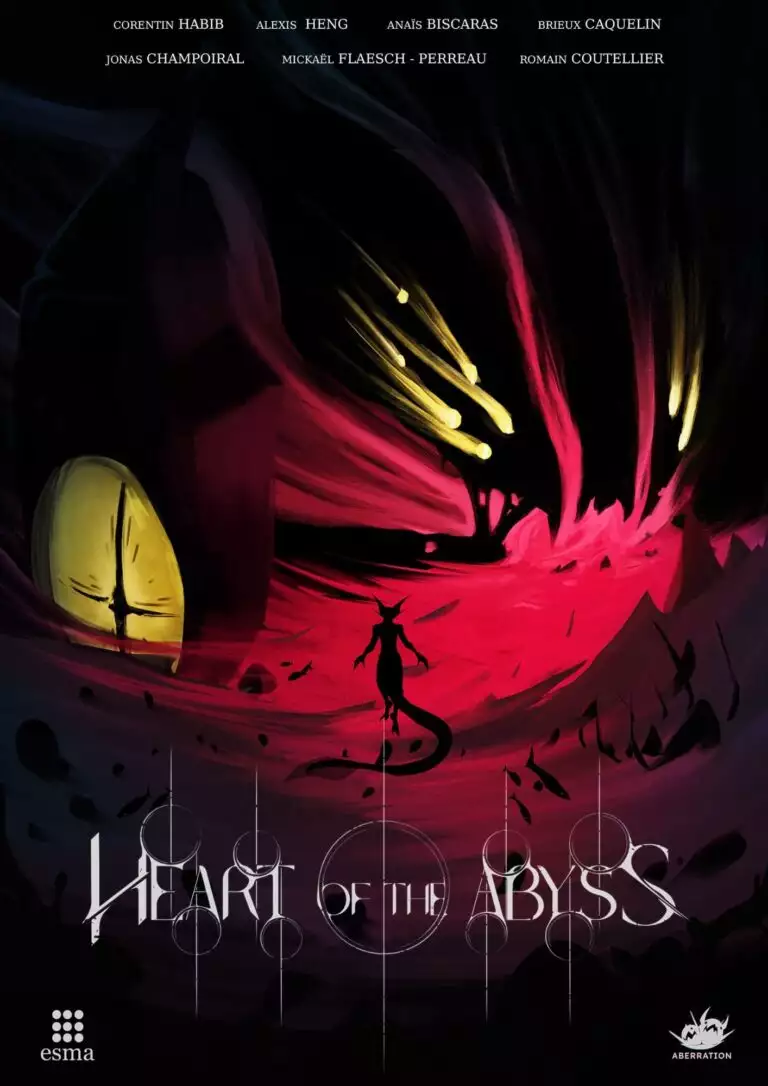
Graduation game: Heart Of The Abyss
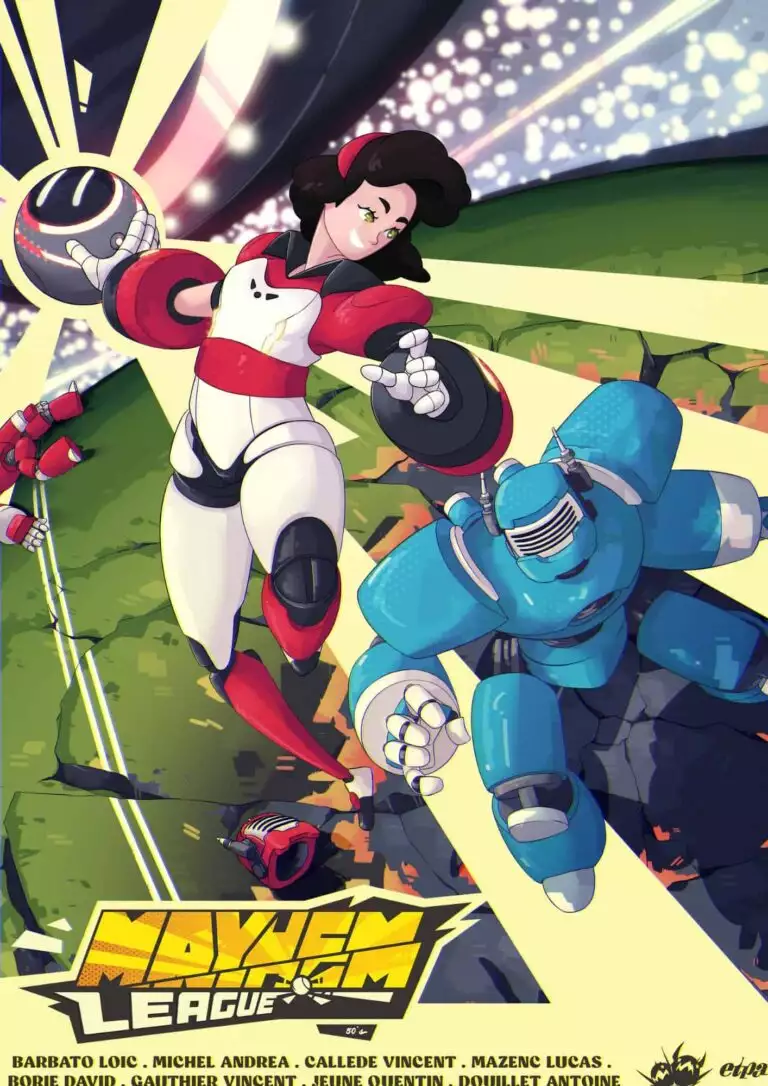
Graduation game: Mayhem League
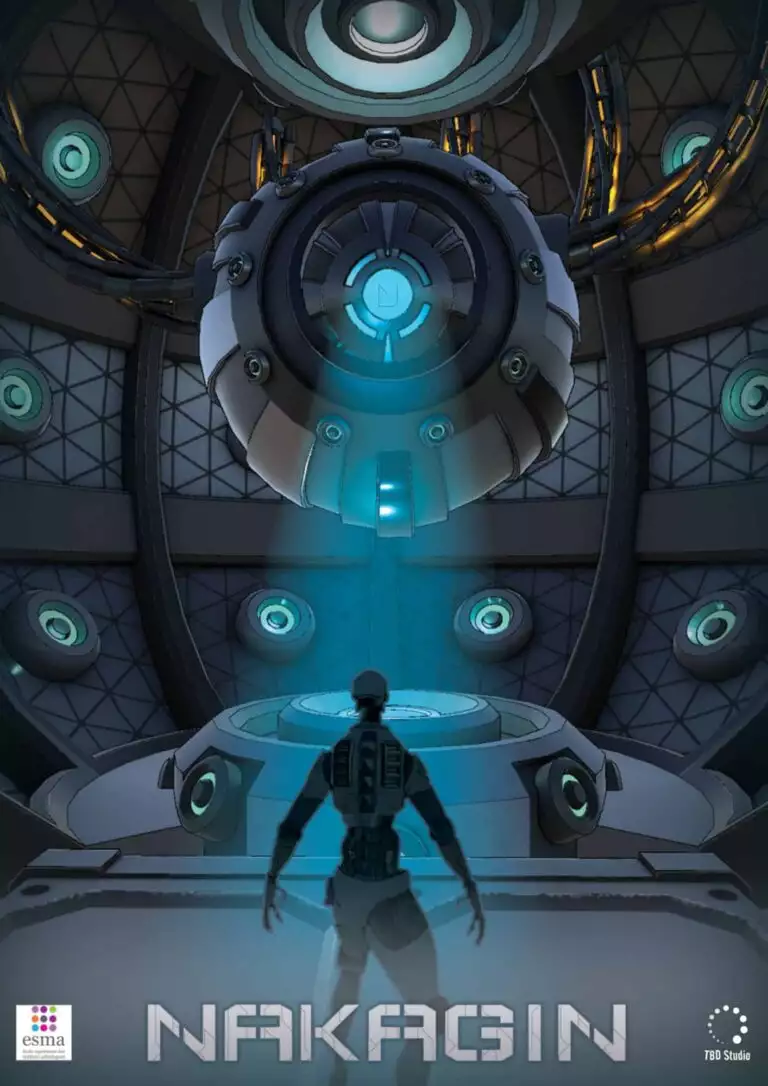
Graduation game: Nakagin
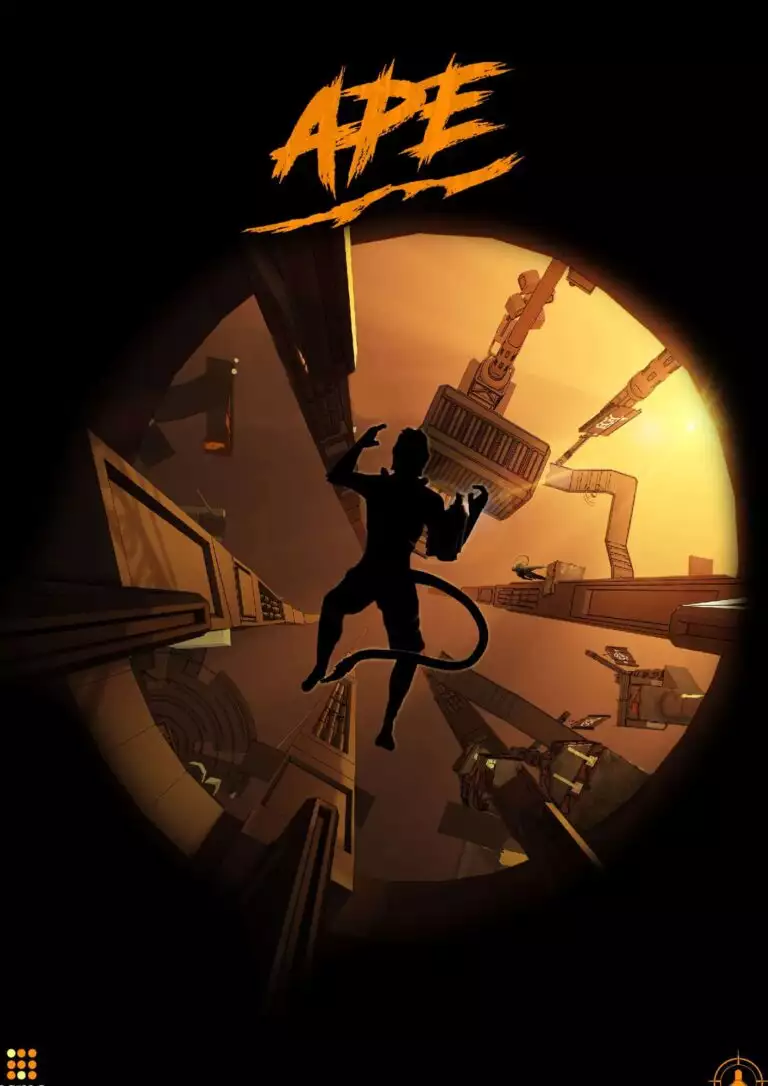
Graduation game : A.P.E
ESMA GAME SHOW: a 100% video games day in Montpellier
01.14.2026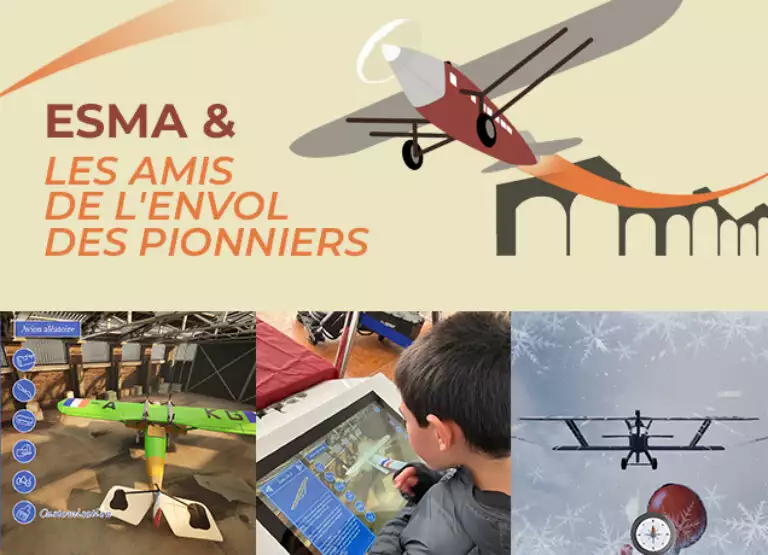
When history takes flight... in a video game!
12.10.2025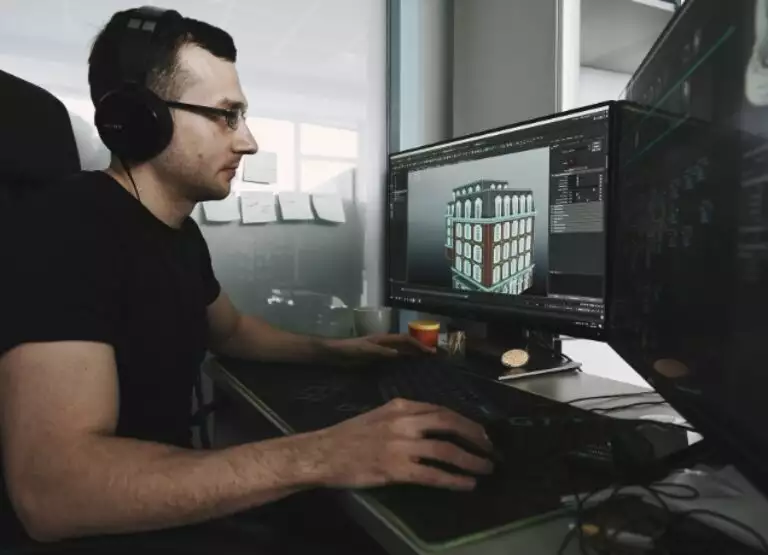
Becoming a video game art director
07.15.2025
ESMA 2025 VIDEO GAMES GRAND PRIX: Two intense days to celebrate the creativity and talent of our students
06.25.2025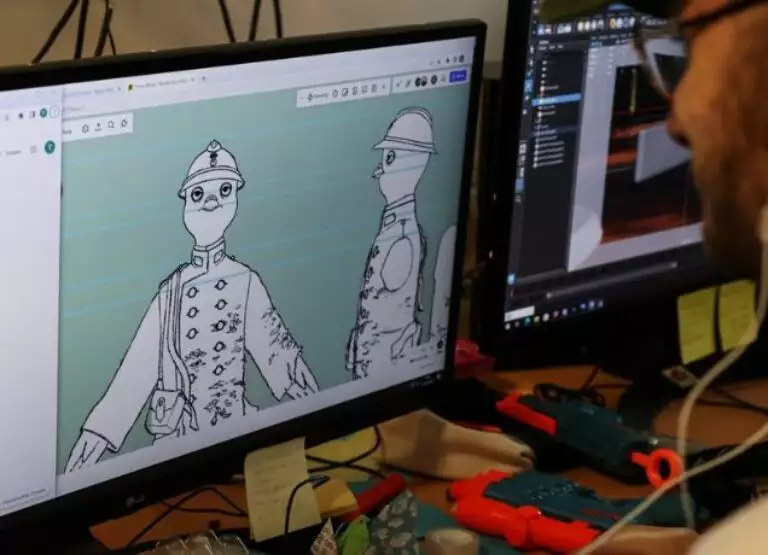
Concept art: definition
06.16.2025
How do I create a video games portfolio?
05.26.2025
Careers in video games
05.02.2025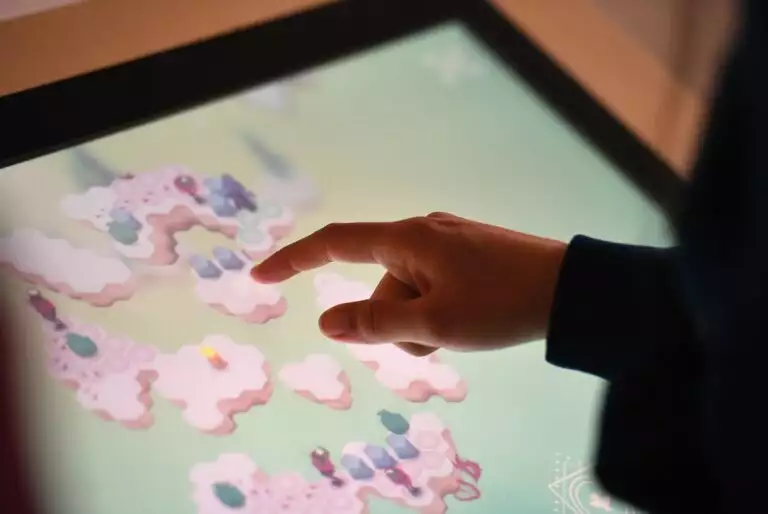
Top 10 of the video games industry's greatest creators
04.07.2025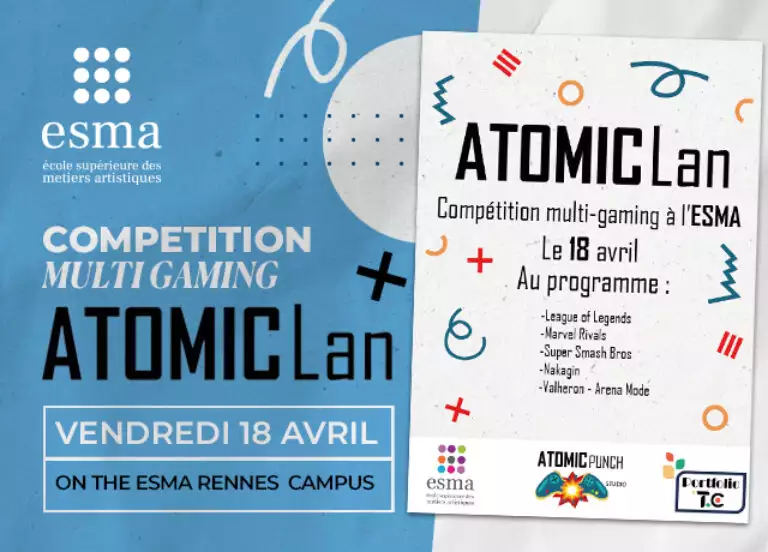
Come and challenge other gamers on the ESMA RENNES campus!
04.03.2025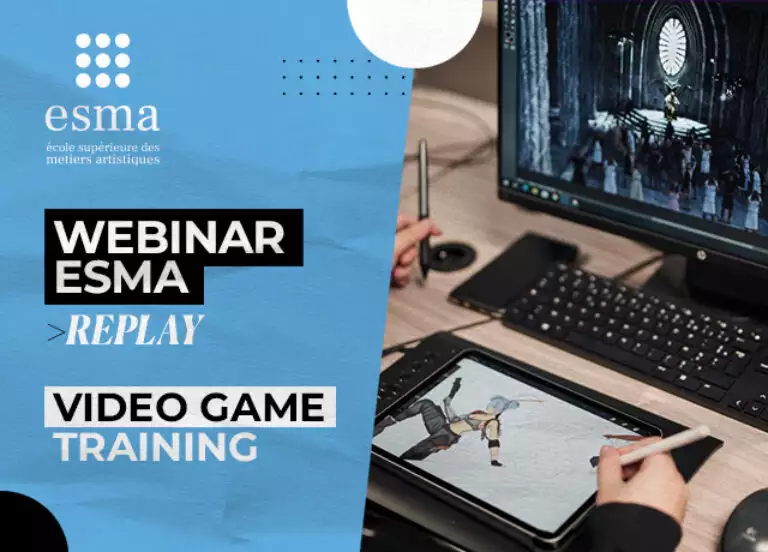
REPLAY ESMA Webinar - Key skills for a successful career in the video games industry
03.31.2025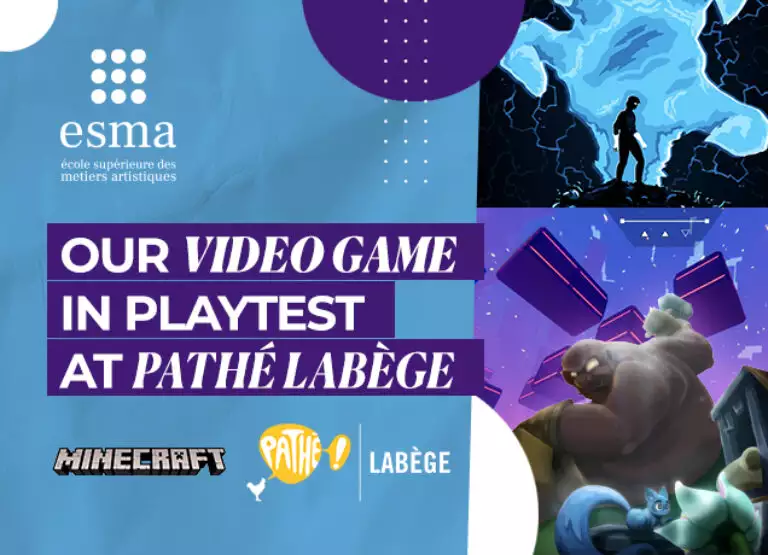
Test out ESMA students' games at Cinéma Pathé Labège to coincide with the release of Minecraft, the film!
03.31.2025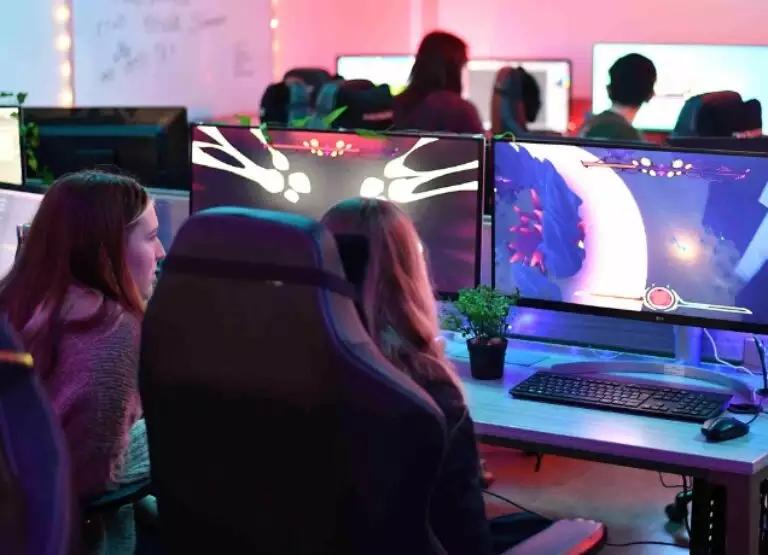
Discovering e-Sport: A guide for beginners
03.10.2025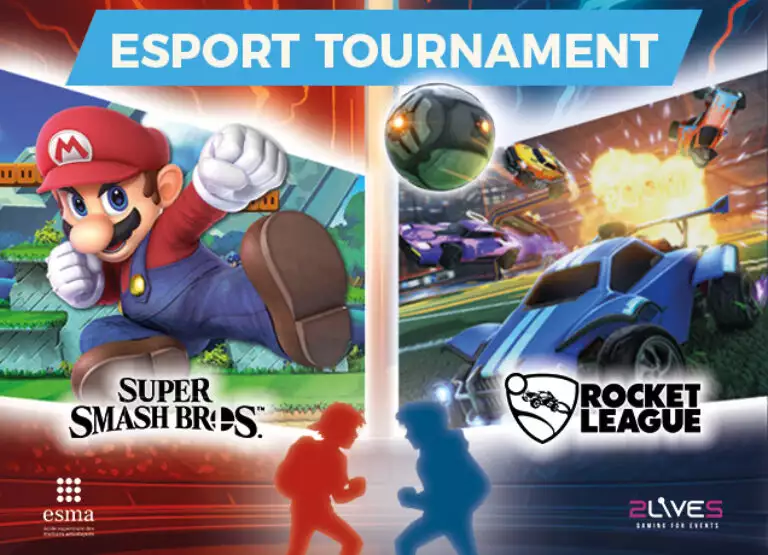
Esport at ESMA: take part in the Super Smash Bros and Rocket League tournaments!
03.03.2025
Video Game Animation Jobs: 10 Careers to Explore
02.18.2025
The art of modding for beginners: How to customise your gaming experience
02.17.2025
How do you carry out a motion capture session for a video game?
02.17.2025