- Training 3D Animation & FX
- Promotion 2025
Professional 3D Animation Cycle - 3rd year
Presentation of the project
How can we rediscover the fundamentals of sculpture to better understand the construction of a 3D character?
In this project, 3rd year 3D Animation students were invited to step outside the digital environment to experiment with a more physical and traditional approach to modelling. The exercise consisted in making a character sculpted in clay, drawing inspiration from classic sculpting techniques.
The aim was to understand the construction of a character through volume, material and anatomy, going back to the basics of sculpting.
Each creation had to follow a model sheet, i.e. a visual reference sheet showing the figure from several angles (front, profile, back) and precisely defining its proportions, shapes and characteristics. This document serves as a guide to ensure the consistency of the character throughout its production.
Subject of the exercise
The students had to create a complete sculpture using this model sheet, while ensuring anatomical consistency and the expected level of detail.
The imposed workflow reproduced the stages of a traditional sculpture:
- creation of a metal frame
- reinforcement with aluminium foil to define the main volumes,
- applying clay to build up the anatomy and muscles,
- adding secondary volumes (skin, clothes, accessories),
- finalising with fine details and simulated textures,
- Final rendering in the form of 4 photos with worked lighting, simulating a turn around the model.
Teaching objectives
The aim of this exercise was to reinforce understanding of the fundamentals of sculpture and anatomy, which are essential for creating 3D characters.
Students should be able to :
- create a traditional clay sculpture
- respect a model sheet (visual reference of the character from several angles),
- construct a coherent and legible anatomy,
- develop a realistic and controlled level of detail,
- understand the stages in the gradual construction of a character.
Assessment criteria
Achievements were assessed according to :
- fidelity to the model sheet
- the quality of the anatomy
- level of detail
- the richness of the simulated textures,
- the quality of the final rendering and lighting.
Through this exercise, the students produced a formidable work of precision and imagination, demonstrating great care in their execution. This approach to traditional sculpture enabled them to strengthen their understanding of volume and anatomy, while developing essential skills for creating 3D characters.


-
Promotion 2026
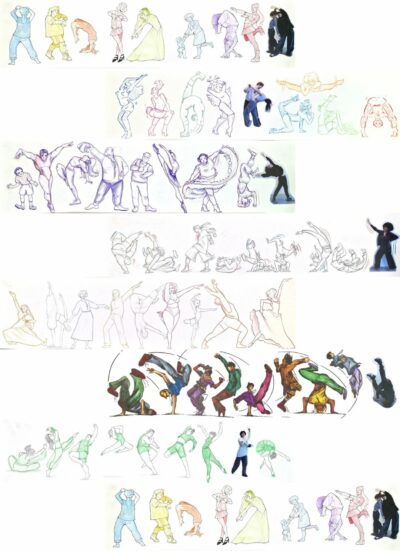
Becoming one with the crowds: Illustrating collective movement
-
Promotion 2026
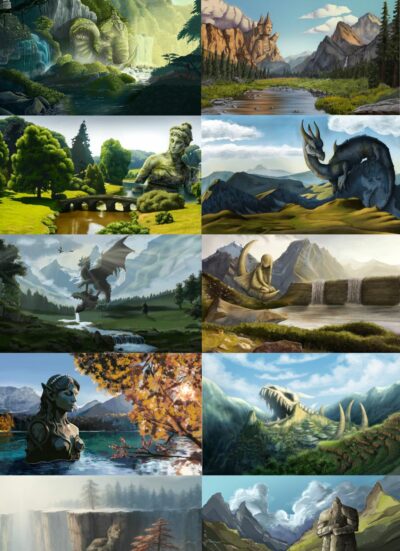
Matte Painting: When Landscapes Come to Life
-
Promotion 2026
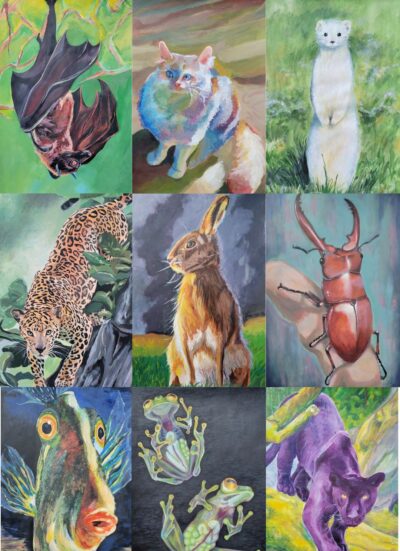
Impressionist animals: Exploring light and colour through the animal world
-
Promotion 2025
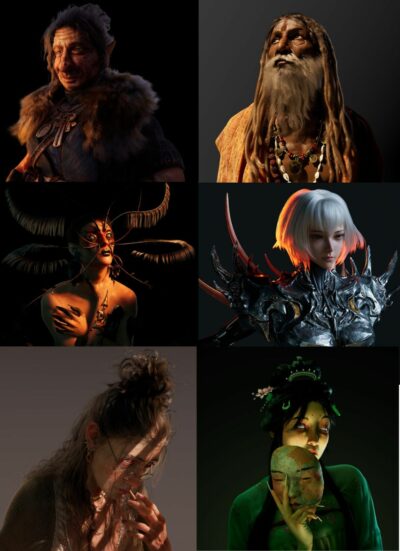
Lighting and character busts - Exploring 3D lighting environments
-
Promotion 2024
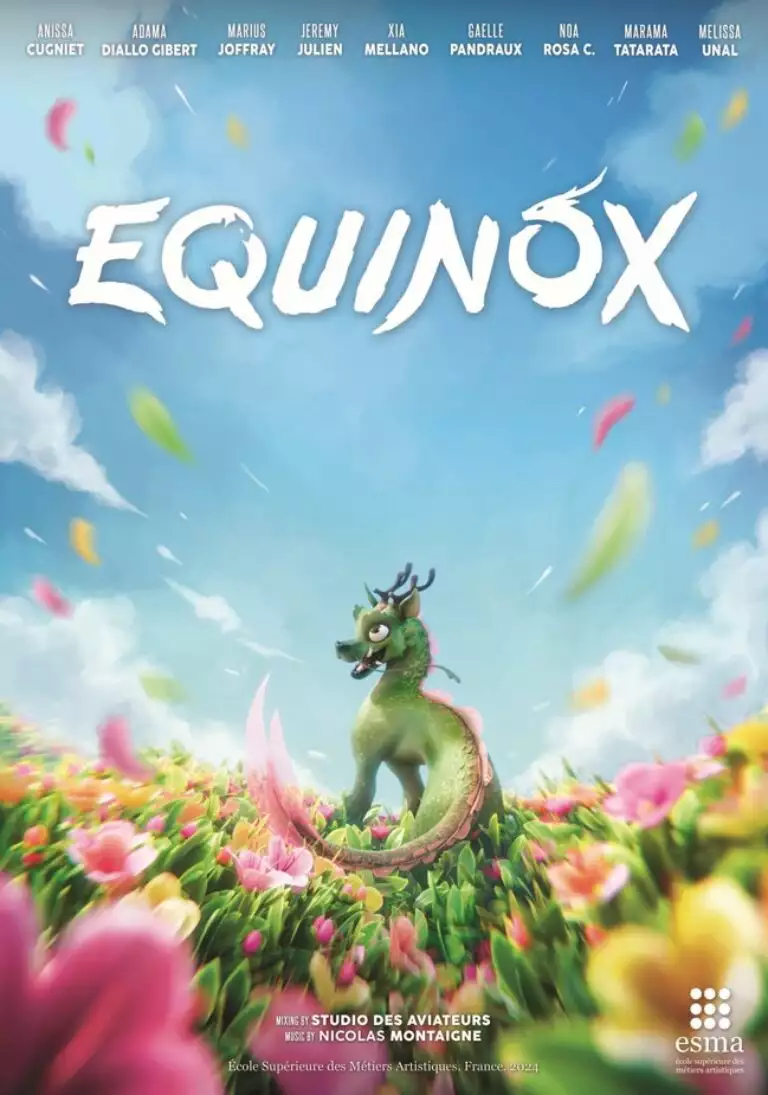
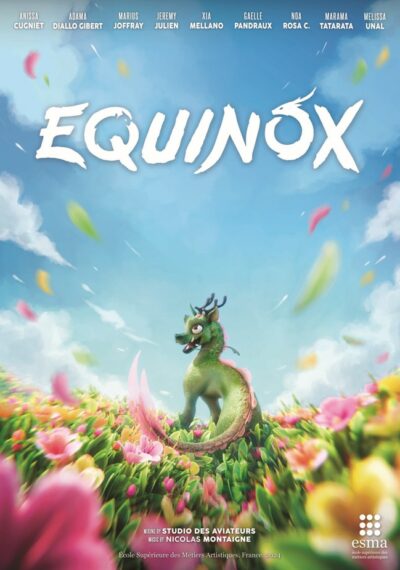
Equinox
-
Promotion 2024
The Alpine Whistle