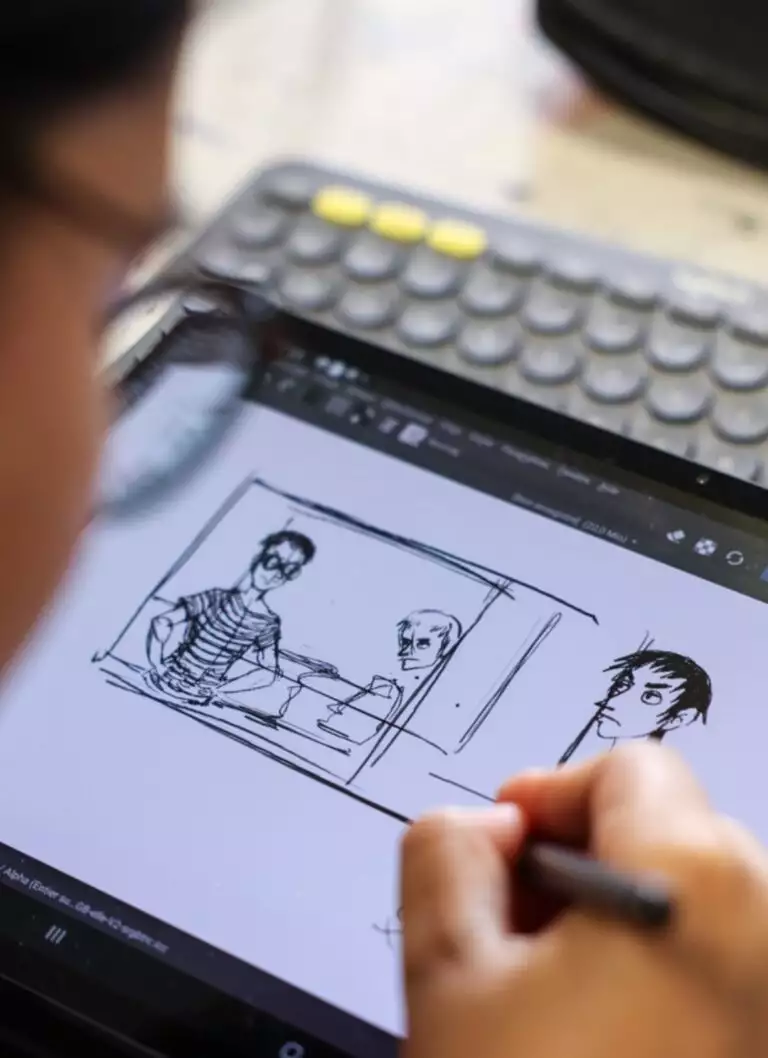
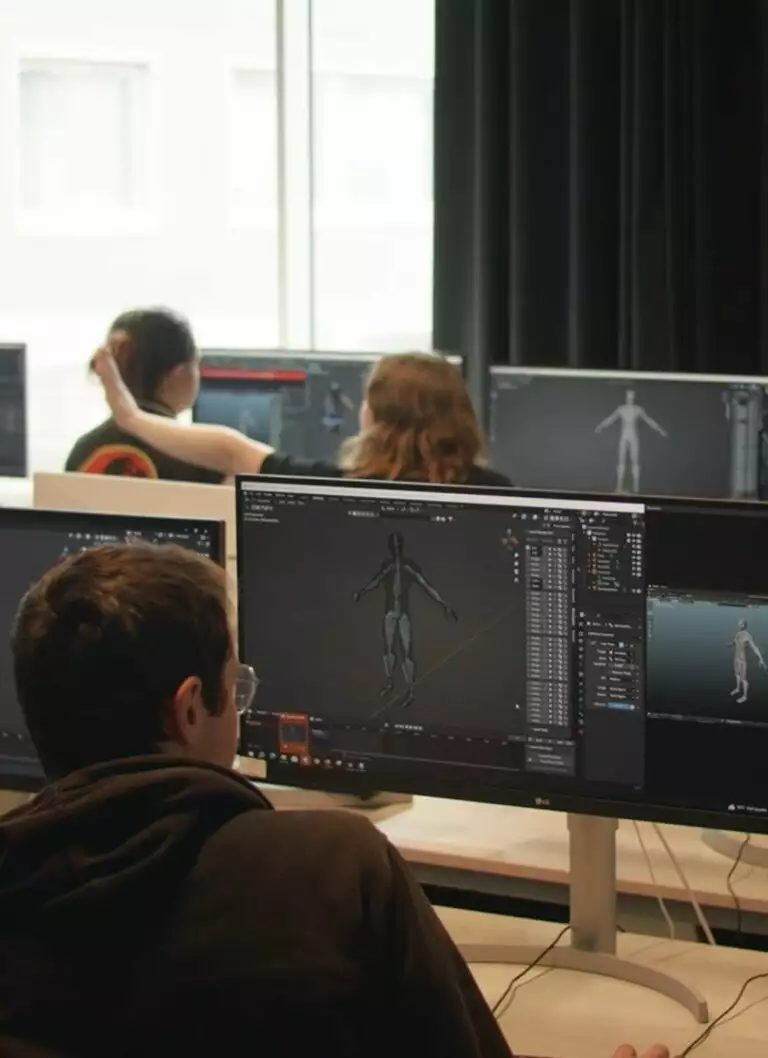
Are you a bit of an artist? Are you passionate about everything to do with the web? Are you a digital enthusiast? Then web designing is for you!
How to become a web designer?
Becoming a web designer means combining creativity, technical skills, and a strong understanding of user experience. A web designer plays a central role in the creation of websites and web applications by shaping their visual identity, interface structure, and overall usability.
With the digital world continuing to grow, web design remains a promising career path. To succeed in this field, it is important to keep learning, follow design trends, and stay up to date with new tools and technologies. A graphic design program can help students build the creative foundation needed for this profession.
What does a web designer do?
A web designer is responsible for the visual design and ergonomics of a website. Their main role is to create interfaces that are attractive, intuitive, and suited to user needs. They often work closely with project managers, developers, and sometimes clients to understand the goals of the website and the expectations of the target audience.
Web design is not just about decoration. It also involves working from a detailed brief that includes communication and marketing goals. The final design must reflect the client’s needs while also meeting the expectations of users.
A web designer also helps create a strong and consistent visual identity. By harmonizing graphic elements, they make sure the website reflects the brand’s image and values clearly and effectively.
Typical tasks include:
- creating wireframes
- building interactive prototypes
- choosing colors, typography, and images
- improving the user experience
- ensuring visual consistency across the site
- following the company’s brand guidelines
- making sure the design is responsive on desktop, tablet, and mobile
Skills and qualities needed to become a web designer
To become a web designer, you need both technical ability and creative sensitivity. A good web designer understands the constraints of the web while also thinking like a visual designer.
On the technical side, web designers should know the core web languages such as HTML and CSS, which are used to structure and style web pages. Basic knowledge of JavaScript is also useful for adding simple interactions and animations.
They should also be comfortable with design and prototyping tools such as:
- Photoshop
- Illustrator
- Figma
- Sketch
- Adobe XD
A strong understanding of web culture, graphic design principles, and current design trends is also important.
Tools and software used by web designers
In day-to-day work, web designers use a range of software and digital tools to design, prototype, and sometimes integrate web pages. Mastering these tools helps web designers work more efficiently and improve the quality of their projects.
- Adobe photoshop : Used for photo editing and creating visual assets.
- Adobe illustrator : Used for logos, icons, and vector illustrations.
- Adobe XD, Figma, and Sketch : Used to create interface mockups, UX/UI layouts, and interactive prototypes.
- InVision : Used for prototyping and team collaboration.
- HTML, CSS, and JavaScript : Used to structure, style, and enhance web pages.
- CMS platforms such as WordPress, Joomla, and Drupal : Used to manage and customize websites.
Education and degrees to become a web designer
If you are wondering what education is needed to become a web designer, there are several possible routes.
At ESMA, the Graphic Design program lasts three years in Montpellier and Toulouse and is certified at level 6 under RNCP39117. The course combines visual fundamentals, practical projects, and a third-year specialization in either digital communication or motion design.
Students learn about:
- typography
- layout
- art direction
- UI and UX design
- digital strategy
- project management
The goal is to learn how to analyze a brief, create a visual identity, and develop a coherent digital communication project supported by a professional portfolio. This type of program prepares students for a multimedia creative role in the digital sector, connecting artistic ability with digital design skills.
Other possible pathways include:
- a multimedia and internet bachelor-level program
- professional degrees in web design or digital creation
- master’s degrees in interactive design, UX/UI, or digital communication
For students interested in broader digital project roles, ESMA also offers insight into careers such as multimedia project manager.
Salary overview of a web designer
The Web Designer role is considered junior to mid-level overall.
- Typical salary range: $55,000 – $95,000 per year
- Median salary: $72,000 per year
Salaries vary depending on experience level, location, company size, and whether the role is in-house, agency-based, or freelance.
Career opportunities
Web designer is one of the main career outcomes linked to ESMA’s Graphic Design training. This type of program develops a graphic design profile capable of creating interfaces, contributing to art direction, and coordinating complete digital projects.
Students also learn how to collaborate with project managers, integrators, and developers, which is an important skill when moving from the initial brief to the final online product.
After gaining experience, a web designer can move into more advanced roles such as:
- web project manager
- art director
- UX/UI designer
Some professionals also strengthen their technical skills and move into front-end development. This kind of transition is becoming more common in the digital sector.
Industries and employers hiring web designers
Web designers are hired in many industries and environments, including:
- web agencies
- communication agencies
- startups
- e-commerce businesses
- media companies
- public institutions
- non-profit organizations
- large companies with in-house communication teams
Because the digital sector keeps evolving, demand remains strong for professionals who combine creativity with technical understanding, especially as mobile design, web applications, and user experience continue to grow in importance.
Frequently Asked Questions
How do you become a web designer?
You become a web designer by building both creative and technical skills. This usually includes learning design principles, user experience, tools like Figma or Photoshop, and basic web languages such as HTML and CSS.
What skills are needed to become a web designer?
The main skills needed to become a web designer include creativity, visual design, UX awareness, organization, teamwork, and knowledge of tools such as Figma, Photoshop, Illustrator, HTML, and CSS.
What education do you need to become a web designer?
There is no single required path. Many students study graphic design, digital design, multimedia, or UX/UI. Specialized schools and professional programs can also prepare you for this career.
Can you become a web designer without a degree?
Yes, it is possible to become a web designer without a degree, but you still need strong practical skills, a solid portfolio, and a good understanding of web design tools and user experience.
How long does it take to become a web designer?
The timeline depends on your path. A structured program may take several years, while self-learning can vary. In both cases, becoming a strong web designer requires ongoing practice and continuous learning.
What does a web designer do?
A web designer creates the visual and interactive design of websites. This includes interface design, layout, wireframes, prototypes, responsiveness, and overall user experience.