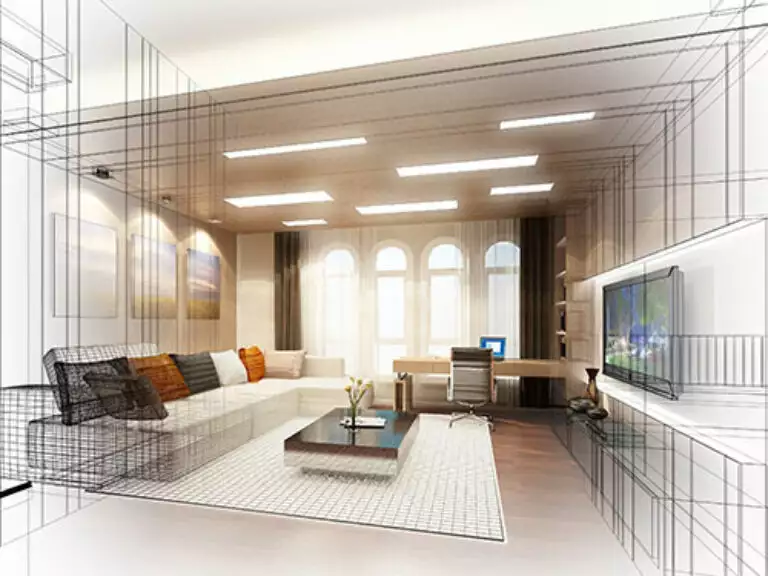
- Training Interior Architecture
To become an interior architect, you need formal training in interior architecture, strong technical and creative skills, a professional portfolio, and practical experience through internships. In France, advanced architectural responsibilities may also require certifications such as the DE, DPLG, or HMONP, depending on your career goals.
Interior architecture is where design meets structure. It focuses on transforming interior spaces so they are functional, safe, and visually balanced. If you have a passion for transforming spaces , this career might be exactly what you are looking for. But how do you actually become an Interior Architect? Let’s break it down.
What does an interior architect do?
An interior architect designs and restructures interior spaces in:
- Apartments and houses
- Offices and coworking spaces
- Shops and commercial areas
- Hotels and hospitality venues
- Museums and cultural spaces
Unlike interior decorators, interior architects work on spatial planning. They can redesign layouts, modify partitions, optimise circulation, and improve lighting and materials.
However, they do not modify load bearing structures unless they are fully licensed architects.
They combine:
- Technical knowledge
- Design thinking
- Building regulation awareness
- Client communication
Most professionals use software such as AutoCAD, SketchUp and Revit to create plans and 3D models.
Interior architect vs architect: what is the difference?
An interior architect focuses on interior space transformation.
A licensed architect is legally authorised to design entire buildings and modify structural elements.
Interior architects can design and restructure interior spaces, but they do not independently handle structural engineering or full building construction unless they obtain additional qualifications.
Essential skills that you will actually need
To be successful in this field, you need a mix of technical skills ,creativity , and problem solving ability. Professional interior architects stand out because they master:
- Artistic flair – Seeing possibilities and using light, shape, and colour to enhance spaces.
- Technical expertise – Able to use and Knowing architectural software like AutoCAD, SketchUp, and Revit while understanding building regulations.
- Communication skills – Collaborating with clients, contractors, and teams to bring projects to life.
- Attention to detail – Every inch matters when designing functional and stylish interiors.
- Adaptability – Trends evolve and every project is different, so being flexible is essential.
How to become an interior architect
Build a strong design foundation
Many students begin with a foundation year to develop drawing skills, visual culture, and portfolio quality.
The Design Preparatory Year helps students build the artistic and technical base required for competitive admission into specialised programs.
This stage is especially important if you want to strengthen your portfolio.
Complete a specialised interior architecture programme
A professional qualification in interior architecture is essential.
The Interior Architecture programme at ESMA in Montpellier provides structured training combining:
- Technical drawing
- Spatial planning
- Material studies
- 3D modelling
- Project development
- Professional practice
Build your portfolio and gain experience
Your portfolio is your professional identity.
During your studies, you should:
- Complete internships in design studios
- Participate in collaborative projects
- Work on real-case scenarios
- Develop personal projects
Practical experience helps you understand budgets, client expectations, and construction constraints.
Consider advanced architectural certifications (optional)
If your goal is to work on large-scale architectural projects or register as a licensed architect in France, additional qualifications may be required.
These include:
The HMONP qualification is required if you want to practice project management in your own name and register with the Ordre des Architectes.
These certifications are not mandatory for interior architecture careers, but they expand professional opportunities.
Interior architect salary expectations
Salaries vary by country, experience, and project type.
Average ranges:
- Entry level: €45,000–€60,000 per year
- Mid-level: €65,000–€90,000 per year
- Senior: €95,000–€120,000+ per year
- Freelance rates: €50–€120+ per hour
Income increases with technical expertise, reputation, and project scale.
Career growth and specialisation
With experience, you can specialise in:
- Commercial design
- Sustainable interior architecture
- Luxury residential projects
- Hospitality design
- Exhibition and museum spaces
- Many professionals later open their own studios or collaborate internationally.
Is this the right career for you?
This career suits people who:
- Think visually and spatially
- Enjoy technical precision
- Like problem-solving
- Want a balance between creativity and structure
Interior architecture is demanding, but it allows you to shape how people experience space every day.
Are Ready to take the first step? Learn more about Our Interior Architecture programme and start designing spaces that inspire.
Frequently asked questions
What degree do you need to become an interior architect?
You need a degree in interior architecture or a related design field. A foundation year can help build the portfolio required for admission into specialised programmes.
Can an interior architect become a licensed architect?
Yes, but additional qualifications such as the DE and HMONP are required to register with the Ordre des Architectes in France.
How long does it take to become an interior architect?
Typically 5 years including a foundation year.
Is interior architecture a good career?
Yes, it offers creative work, steady income growth, and opportunities for specialisation across residential and commercial sectors.