-
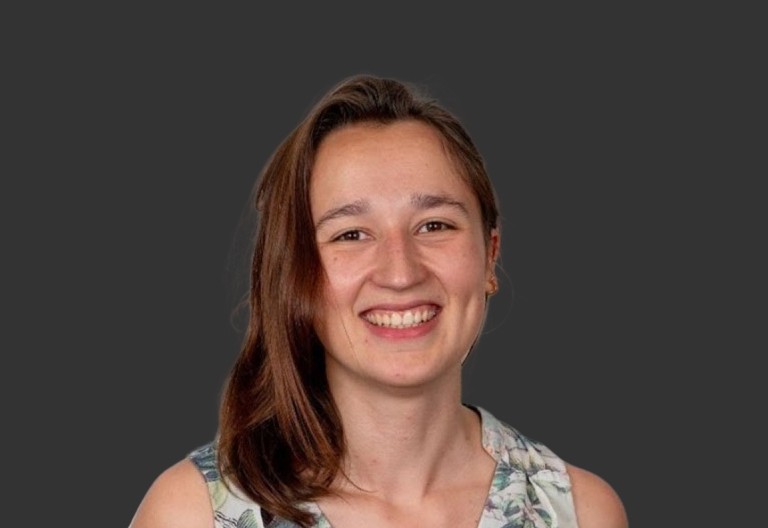
- Promotion 2021
- Training 3D Animation & FX
- position Rigging Artist & Technical Director
Virginie Pellet graduated from ESMA two years ago and is now a freelance rigging artist and TD. She started out at MPC, an international studio renowned for its animation and VFX work. Her career path shows how a childhood passion can be transformed into a professional career when it is supervised, structured and, above all, given human support. Virginie does not present an 'ideal' career path, but one built step by step, with hard work, doubt, support and opportunities seized at the right time.
Would you like to tell us about your experience at ESMA?
Don't hesitate to contact Angélique Ribas, Content Manager, to share your alumni experience.
Mail
a.ribas@ecolescreatives.com
Watch his video feedback:
The trigger: Dragon, 2011
“I wanted to do this job when I went to the cinema and saw Dragon in 2011. I was twelve years old and I realised that there were jobs behind animation”.
Her passion for storytelling doesn’t date from that day – it already existed.
“Ever since I was a little girl, I’ve loved everything to do with stories. Books, films, series… It’s something I’m passionate about and I realise that I live for it. I have stories in my head all the time.
Dragon simply dropped the veil.
“I said to myself that we could be part of these productions, that we could add our stone to the edifice.
Moving into 3D animation and looking for the right school
Once she knew what she wanted, she began to gather information, explore courses and compare schools.
“I started asking around and, as time went by, I narrowed down my choice because I wanted to choose the best school I could.
ESMA ended up being the logical choice. “I realised that ESMA offered me the most possibilities and the most complete training.
Before joining the school, she went through an external preparatory course. She then joined ESMA for four years.
What the school has really changed
“Above all, it gave me the assurance of a certain level of competence. When I left, I knew I could do something. I could look for a job and I felt legitimate.
But the training wasn’t just about technique: “It was also a human apprenticeship. I learnt to be open to others, to be human with others, to work as part of a team.
She describes what it really means to learn to work together in animation.
“Celebrating differences and diversity so that we can go further with what we have”.
And what stands out most is neither 3D nor software.
“The thing that impressed me the most was the humanity of the teachers and the constant support.
And that support is not just academic.
“There was real psychological support. We all go through difficult moments, moments of doubt when we wonder if we really want to do this. At those times, I had support. It enabled me to finish school and believe in my future.
The first job: sending everywhere, without censorship
“When I finished my film, just before the final exam, I sent applications everywhere. Even to places where I thought I’d never have a chance.
One of those studios was MPC (Moving Picture Company).
“In the end, I managed to get a job at a studio that makes world-famous films. I never thought I’d get there so quickly.
This first job opened the doors to the market.
“It opened up opportunities that I would never have thought possible. I was quickly able to work on some very interesting films that I was passionate about.”
The job: rigging artist & TD
Virginie sums up her role quite simply.
“I’m a rigging artist, but I’m also a TD. I rig characters.”
She works exactly between modelling and animation.
“The modeller creates the character and then the rigger creates a skeleton inside so that the animator can make the character move and come to life.”
But rigging isn’t just about adding bones.
“I develop new rig techniques, I automate tasks to go faster, I work on deformations, muscles and simulation.
This technical dimension does not erase the artistic dimension.
“It’s a highly technical job, but there’s a very artistic side to it. The deformation has to be beautiful and realistic, and please the directors and animators.
London, MPC and the ESMA network
During her time at MPC in London, she discovered the real importance of the network.
“In the studio where I worked, one in three people who were French came from ESMA”.
And that’s not just anecdotal.
“The school has quite a strong international reputation. Its skills are recognised.
And above all, the link is immediate.
“It’s very interesting to meet people who went to the same school. We don’t know each other, but we connect quite quickly because we know what we’ve been through.
What she remembers today
The message is clear. “Remain human to others and to yourself.
She warns against exhaustion.
“You have to be able to listen to yourself because you can burn out very quickly. When we create, we’re supposed to give people emotion. If we become robots ourselves, we lose our humanity and we can’t do it any more.
And she reminds us of a truth that is often overlooked in discussions about industry.
“Being friendly, open and caring helps us keep in touch with former colleagues. And sometimes they are the ones who help us get back to work.
She sums up what really counts in the long term.
“Creating a human network allows you to progress and secure a more stable future.”
-
Elise CARRET
3D Animation & FX
Marketing Animator, MacGuff illumination
-
Frédéric Plu
3D Animation & FX
Lighter Composer , Blue Spirit Studios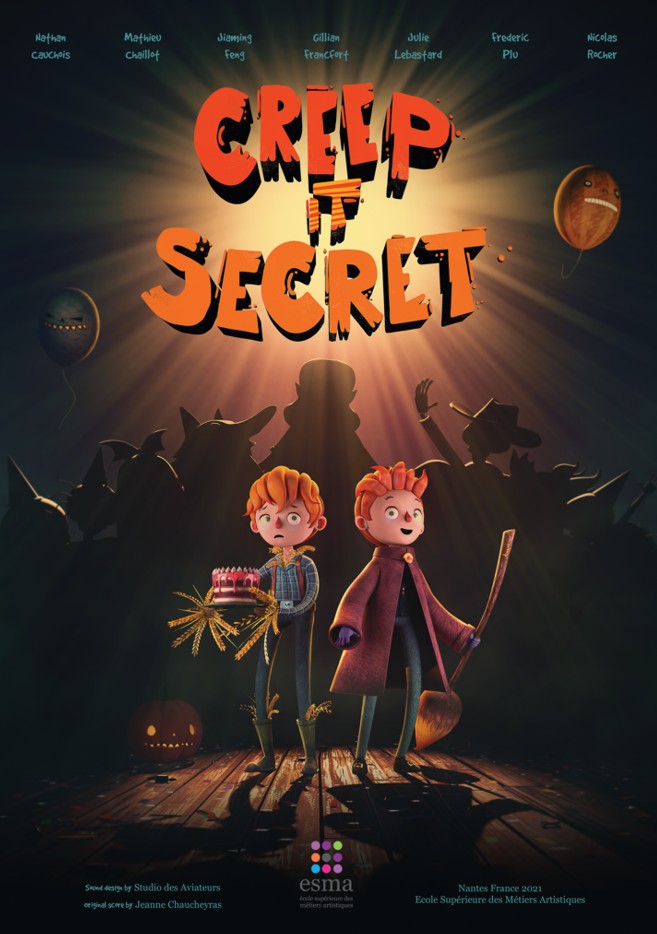
-
Eddy Martinez
3D Animation & FX
Senior 3D Animator, Pixomondo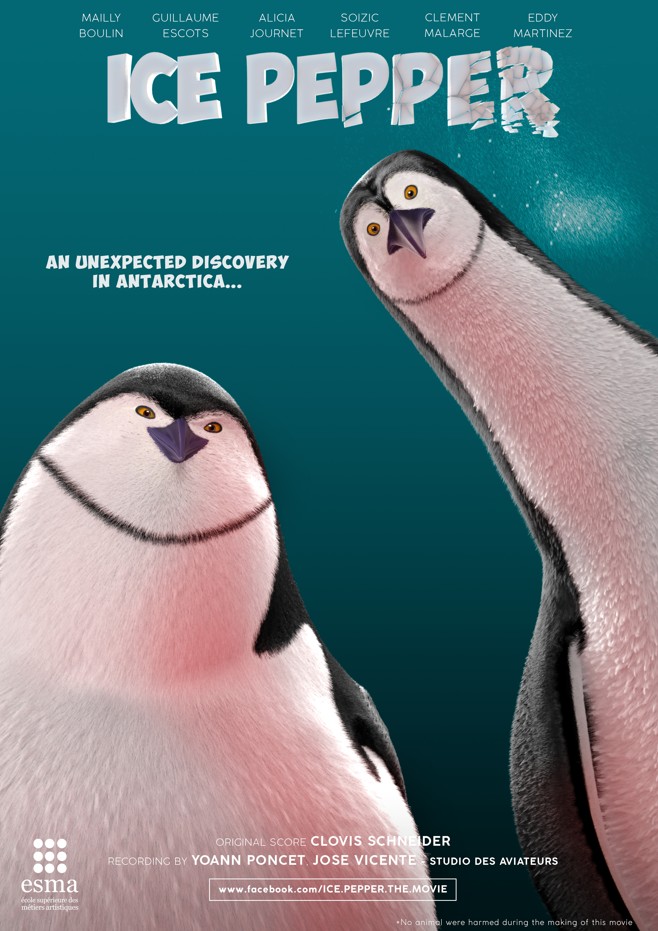
-
Camille Lacroix
3D Animation & FX
Character Animator, Fortiche
-
Joe Azar
3D Animation & FX
Deuxième Assistant Réalisateur, TAT Production
-
Florian Petiteau
3D Animation & FX
CG Artist / Supervisor / Director, Freelance